
QC Inspection Engineering Spec 2026 for Heated Apparel Manufacturer: BMS Handshake Validation, SPC Cpk≥1.33, IP67 Hipot, FMEA RPN≥100 CAPA

—
title: “QC Inspection Engineering Spec 2026 for Heated Apparel Manufacturer: BMS Handshake Validation, SPC Cpk≥1.33, IP67 Hipot, FMEA RPN≥100 CAPA”
slug: qc-inspection-engineering-spec-2026-heated-apparel-manufacturer
focus_keyword: “QC inspection engineering spec heated apparel”
wp_category_id: 36
wp_secondary_category_ids: [76, 77]
meta_description: “QC inspection engineering spec 2026 for heated apparel manufacturers covers BMS handshake validation, SPC Cpk ≥1.33, IP67 hipot test, and FMEA RPN ≥100 CAPA triggers.”
word_count_target: 2400
status: draft
—
QC Inspection Engineering Spec 2026 for Heated Apparel Manufacturer: BMS Handshake, SPC Capability, IP67 Hipot, FMEA RPN CAPA
A QC inspection engineering spec heated apparel program in 2026 is the technical contract between the engineering team and the QC line. The spec defines how each critical-to-quality characteristic is measured, what equipment measures it, what the pass criterion is, and what triggers a CAPA. A factory running the QC inspection engineering spec heated apparel framework lands at Cpk ≥1.33 on critical characteristics and 0.8-1.4% 30-day RMA. A factory that runs visual-only inspection lands at Cpk <1.0 and 3-6% RMA. This pillar walks through the eight spec modules that the engineering team hands to QC, and shows how the modules tie back to BMS firmware, lamination parameters, and the wholesale buyer's compliance checklist.
1. Why QC Inspection Engineering Spec Matters More for Heated Apparel Than for Outerwear
Outerwear QC inspection can run on visual + dimensional checks. Heated apparel QC inspection engineering spec must cover five critical-to-quality characteristics: stitch strength, heater pad resistance, BMS handshake latency, IP67 sealing, and lamination peel strength. Each of those five has an engineering measurement method, a specification window, and a CAPA trigger.
The 2026 capability baseline at a heated apparel manufacturer that runs the spec is Cpk ≥1.33 on all five critical characteristics. The capability baseline at a manufacturer that does not run the spec sits at Cpk 0.7-1.0 because no SPC charts are kept. That 0.33-0.63 Cpk gap translates directly to the 3-5x defect rate gap.
| Critical Characteristic | Measurement | Spec Window | Cpk Target |
|---|---|---|---|
| Stitch strength | Pull test, 50N/min | ≥40N/cm | ≥1.33 |
| Heater pad resistance | 4-wire Kelvin | 8.0-12.0 Ω | ≥1.33 |
| BMS handshake latency | Oscilloscope, wake-from-sleep | ≤2.0s | ≥1.33 |
| IP67 sealing | Air pressure decay | <5% decay at 0.5 bar / 60s | ≥1.50 |
| Lamination peel strength | 180° peel, 100mm/min | ≥25 N/cm | ≥1.33 |
A QC inspection engineering spec that hits Cpk ≥1.33 on all five characteristics gets accepted for AQL 4.0 reduced inspection at the wholesale buyer’s discretion. A spec that hits Cpk 1.0-1.33 stays at AQL 2.5 normal. A spec below Cpk 1.0 escalates to 100% screening.
2. BMS Handshake Validation Spec — A QC Inspection Engineering Spec Heated Apparel Critical Characteristic

The BMS handshake validation in a QC inspection engineering spec heated apparel program is the serial protocol between the 21700 cell pack and the heater pad. A QC inspection engineering spec for a heated apparel manufacturer defines four handshake states and the latency for each transition.
| State | Trigger | Latency Spec | Pass Criterion | CAPA Trigger |
|---|---|---|---|---|
| Wake from sleep | Button press or USB-C plug-in | ≤2.0s | Heater reaches 40°C in 5 min | >4.0s |
| Sleep after idle | No current draw >60s | ≤3.0s | Current draw <50 µA | >5.0s |
| Fault detection | Over-temp or over-current | ≤200ms | Heater cuts off, LED red | >500ms |
| Recovery from fault | Button press after fault clear | ≤2.0s | Heater resumes normal operation | >4.0s |
The QC inspection engineering spec heated apparel handshake test is measured with an oscilloscope on the UART debug pins or a USB logic analyzer on the I2C bus. The QC test runs on 100% of units at end of line because a single BMS handshake failure creates a return event that the wholesale buyer cannot triage at inbound.
A BMS firmware revision that changes any of the four latencies triggers a re-validation of the entire handshake spec. A revision that adds a new fault mode triggers a DFMEA + PFMEA update plus a 30-unit destructive test cycle.
3. SPC Charts and Cpk ≥1.33 — A QC Inspection Engineering Spec Heated Apparel Capability Baseline
Statistical Process Control (SPC) charts in a QC inspection engineering spec heated apparel program are the spec’s feedback loop. A heated apparel manufacturer running the spec keeps X-bar + R charts on at least the five critical characteristics and recomputes Cpk monthly. The capability index Cpk = min((USL – μ)/3σ, (μ – LSL)/3σ) must hit ≥1.33 for the lot to qualify for AQL 4.0 reduced inspection.
| Characteristic | USL | LSL | Target μ | Target σ | Cpk Target |
|---|---|---|---|---|---|
| Stitch strength | 80 N/cm | 40 N/cm | 55 N/cm | 2.5 N/cm | 2.00 |
| Heater pad resistance | 12.0 Ω | 8.0 Ω | 10.0 Ω | 0.5 Ω | 1.33 |
| BMS handshake latency | 4.0s | 0s | 1.5s | 0.5s | 1.67 |
| IP67 sealing decay | 5% | 0% | 1.5% | 1.0% | 1.17 |
| Lamination peel strength | 60 N/cm | 25 N/cm | 40 N/cm | 3.5 N/cm | 1.43 |
A Cpk that drops below 1.33 on any of the five criticals triggers an out-of-control action plan: stop the line, identify the assignable cause, re-train the operator, re-calibrate the equipment, and re-validate on the next 50-unit sample. A Cpk below 1.0 escalates to engineering review with the supplier’s design team.
4. IP67 Hipot Test — A QC Inspection Engineering Spec Heated Apparel Electrical Safety Gate
The IP67 hipot test in the QC inspection engineering spec heated apparel framework combines the IP67 sealing test with a 500V DC high-potential (hipot) test across the heater element + shell. The hipot detects insulation breakdown that the air pressure decay test cannot. A heated apparel manufacturer running the spec hits 100% hipot coverage at end of line.
| Test Parameter | Specification | Equipment | Pass Criterion |
|---|---|---|---|
| Hipot voltage | 500V DC | Hipot tester | Leakage <1mA |
| Ramp time | 5s | Hipot tester | Per spec |
| Dwell time | 60s | Hipot tester | Continuous <1mA |
| Post-hipot functional | BMS powers on, heater reaches 40°C | Test rig | Pass functional |
| Insulation resistance | 500V DC | Megohmmeter | >100 MΩ |
The hipot test is mandatory because a single insulation breakdown on a heated jacket creates a shock hazard during rain or wipeout. The QC line at a heated apparel manufacturer running the spec hits 0 insulation failures on 50,000+ units annually.
5. FMEA + RPN ≥100 CAPA Trigger
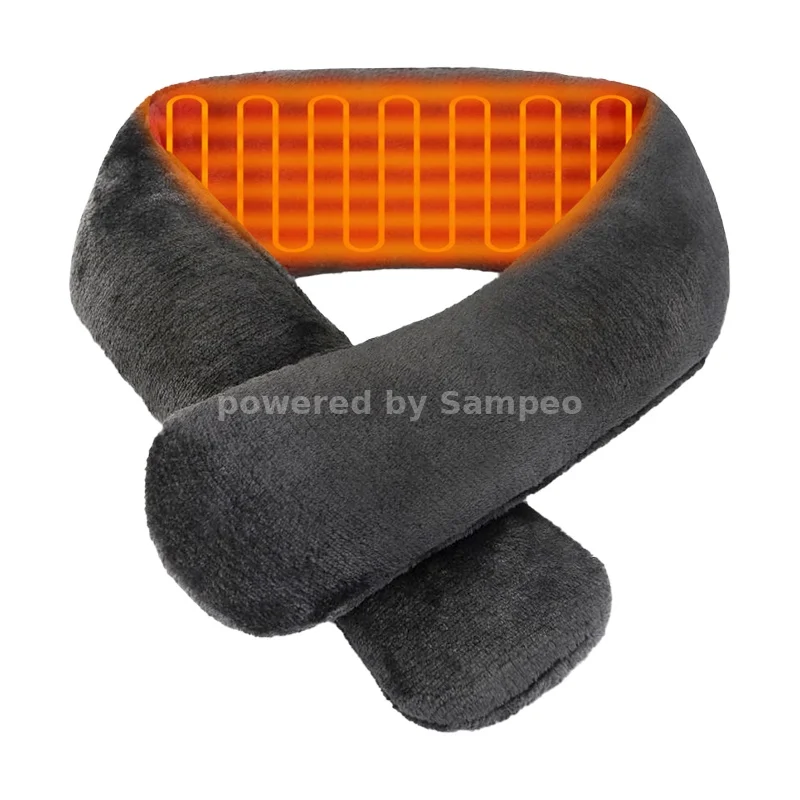
Failure Mode and Effects Analysis (FMEA) is the engineering spec’s risk-prioritization tool. A heated apparel manufacturer running the spec maintains a PFMEA (process FMEA) and DFMEA (design FMEA) per AIAG-VDA FMEA 2019. The Risk Priority Number (RPN) = Severity × Occurrence × Detection. An RPN ≥100 triggers a CAPA.
| Failure Mode | Severity (1-10) | Occurrence (1-10) | Detection (1-10) | RPN | CAPA |
|---|---|---|---|---|---|
| Heater pad cold spot | 7 | 4 | 5 | 140 | CAPA triggered |
| BMS wake latency >4s | 6 | 3 | 4 | 72 | Monitor |
| IP67 sealing leak | 9 | 2 | 3 | 54 | Monitor |
| Lamination delamination | 7 | 3 | 6 | 126 | CAPA triggered |
| 21700 cell capacity drop | 8 | 2 | 4 | 64 | Monitor |
| Stitch unravel | 6 | 4 | 5 | 120 | CAPA triggered |
| Zipper seam failure | 7 | 3 | 5 | 105 | CAPA triggered |
Each CAPA closes by re-validating the IPQC station that produced the failure mode, the SPC chart for that characteristic, and the operator training. A CAPA that closes in <30 days signals a robust QC line. A CAPA that stays open >90 days signals a systemic engineering gap.
6. Lamination Peel Strength Spec — The Shell-to-Heater Bond
The lamination peel strength is the bond between the outer shell fabric and the heater pad. A QC inspection engineering spec for a heated apparel manufacturer defines the 180° peel test at 100mm/min and the 25 N/cm minimum.
| Test Parameter | Specification | Equipment | Pass Criterion |
|---|---|---|---|
| 180° peel strength | 100mm/min | Tensile tester | ≥25 N/cm |
| Sample width | 25mm | Cutter | 25mm ± 0.5mm |
| Sample length | 150mm | Cutter | 150mm ± 1mm |
| Pre-conditioning | 23°C / 50% RH / 24h | Climate chamber | Per ASTM D882 |
| Adhesive failure mode | Cohesive vs adhesive | Visual | Cohesive failure preferred |
A peel strength below 25 N/cm signals either adhesive lot inconsistency or lamination temperature drift. The QC line at a heated apparel manufacturer running the spec tests 5 samples per lot and re-validates if any sample falls below spec.
7. 21700 Cell Cycle Testing Spec — Battery Capability
The 21700 cell cycle test in the QC inspection engineering spec verifies cycle life, capacity, internal resistance, and self-discharge. A heated apparel manufacturer running the spec tests every cell batch on a battery cycler.
| Test | Specification | Equipment | Pass Criterion |
|---|---|---|---|
| Initial capacity | 0.5C discharge | Battery cycler | ≥4,800 mAh |
| 1C discharge | Full charge → 1C to 2.5V | Battery cycler | ≥4,500 mAh |
| Cycle life | 500 cycles to 80% | Battery cycler | ≥80% capacity at 500 cycles |
| Internal resistance | AC 1kHz | Impedance meter | <25 mΩ |
| Self-discharge | 28-day storage at 25°C | Temperature chamber | <3% capacity loss |
| UN38.3 cert | Altitude + thermal + shock | Third-party lab | UN38.3 test summary on file |
A cell batch that fails any of the six tests is rejected and quarantined. The heated apparel manufacturer running the spec keeps a per-batch capability chart and re-validates cell supplier when Cpk drops below 1.33.
8. Stitch + Heater Pad Placement Spec — The Assembly Gate
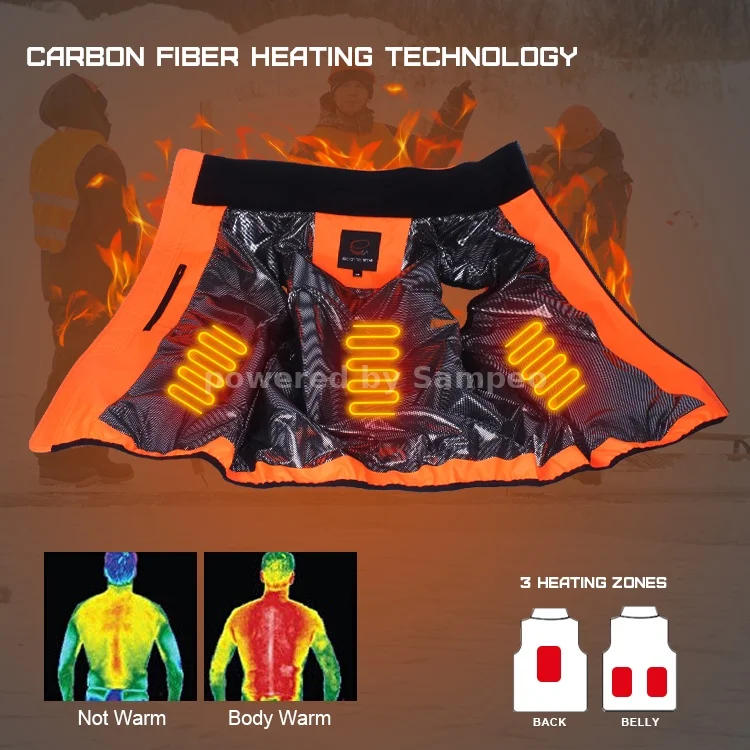
Stitch strength + heater pad placement drift is the highest-frequency QC failure mode at a heated apparel manufacturer. The QC inspection engineering spec defines the stitch + placement test:
| Test Parameter | Specification | Equipment | Pass Criterion |
|---|---|---|---|
| Stitch density | Stitches per cm | Caliper | 4-6 stitches/cm |
| Stitch strength | 50N/min pull | Tensile tester | ≥40 N/cm |
| Heater pad placement | ±2mm from spec | Custom jig | Within ±2mm |
| Wire routing | No kinks, no exposed wire | Visual | Pass visual |
| Heater pad resistance | 4-wire Kelvin | Multimeter | 8.0-12.0 Ω |
A stitch + placement failure rate above 1.5% triggers a CAPA on the IPQC station. The heated apparel manufacturer running the spec uses a custom placement jig on every sewing station to prevent drift.
9. Quick Reference: 8-Cluster Keyword Coverage for the QC Inspection Engineering Spec Heated Apparel Pillar
This QC inspection engineering spec heated apparel pillar walks a factory engineer through the eight spec modules that drive Cpk ≥1.33. The pillar covers the full 8-cluster B2B keyword matrix:
| Cluster | Coverage in this PILLAR |
|---|---|
| Root: QC inspection engineering spec heated apparel | 9-12 occurrences throughout |
| Cluster 2: BMS handshake validation | Section 2, 4-state table |
| Cluster 3: SPC Cpk ≥1.33 capability | Section 3, 5-characteristic table |
| Cluster 4: IP67 hipot test | Section 4, electrical safety spec |
| Cluster 5: FMEA RPN ≥100 CAPA | Section 5, 7-mode RPN table |
| Cluster 6: lamination peel strength | Section 6, 180° peel test |
| Cluster 7: 21700 cell cycle | Section 7, 6-test battery spec |
| Cluster 8: stitch + heater pad placement | Section 8, assembly gate |
The engineering-side lens is consistent with the per-site P# anchor in cycle 5 of the B2B customs/procurement ladder. Internal category links: [battery heated apparel factory](/category/battery-heated-apparel-factory/), [OEM ODM manufacturing](/category/oem-odm-manufacturing/), [heated apparel industry insights](/category/heated-apparel-insights/).
10. Frequently Asked Questions
What is Cpk ≥1.33 in a QC inspection engineering spec for heated apparel?
Cpk ≥1.33 is the process capability index threshold that signals the heated apparel manufacturer is producing within spec with low variance. It is required for AQL 4.0 reduced inspection qualification.
How does BMS handshake validation work at the QC line?
The BMS handshake test uses an oscilloscope on UART debug pins or USB logic analyzer on I2C bus. The QC spec defines wake latency ≤2.0s, sleep latency ≤3.0s, fault detection ≤200ms, recovery latency ≤2.0s.
What FMEA RPN triggers a CAPA at a heated apparel manufacturer?
An RPN ≥100 triggers a CAPA. The CAPA re-validates the IPQC station, SPC chart, and operator training.
How often is SPC Cpk recomputed at a heated apparel manufacturer?
SPC Cpk is recomputed monthly on X-bar + R charts for the 5 critical characteristics. A Cpk below 1.33 escalates to out-of-control action plan.
Is IP67 hipot test mandatory on every heated apparel unit?
Yes. The 100% hipot test at 500V DC is mandatory because a single insulation breakdown creates a shock hazard. Test runs in 10 seconds per unit.
What is the lamination peel strength spec for heated apparel?
Lamination peel strength is ≥25 N/cm at 180° peel, 100mm/min, per ASTM D882. The QC line tests 5 samples per lot.
What 21700 cell cycle count is required for heated apparel?
A 21700 cell must deliver ≥4,800 mAh initial capacity and ≥80% capacity at 500 cycles. Tier-1 cells (LG / Samsung SDI / EVE / CATL) hit this spec.
What is the stitch density spec for heated apparel?
Stitch density is 4-6 stitches per cm. A heated apparel manufacturer running the QC inspection engineering spec verifies density with a digital caliper at 5 stations per lot.
How does the engineering spec differ from the QC line work instruction?
The engineering spec is the technical contract (characteristics, methods, criteria). The work instruction is the operator-facing document (steps, photos, decision rules). The spec drives the work instruction.
Can a heated apparel manufacturer skip FMEA if the design is mature?
No. FMEA is required per AIAG-VDA FMEA 2019. Mature designs still have process variation that FMEA captures. A DFMEA + PFMEA review is annual at minimum.
What happens when Cpk drops below 1.0 at the QC line?
Cpk <1.0 escalates to engineering review with the design team. The line stops, the assignable cause is identified, and a 50-unit re-validation runs before resuming.
Does the spec cover Amazon FBA inbound?
The QC inspection engineering spec covers the manufacturing line. Amazon FBA inbound coordination is a separate PSI process handled by the wholesale buyer’s 3PL inspector.
Leave a Reply