
Battery Heated Apparel Contract Manufacturing 2026: Engineering Process Control & OEM/ODM Factory Audit Protocol
Battery Heated Apparel Contract Manufacturing 2026: Engineering Process Control & OEM/ODM Factory Audit Protocol
Battery heated apparel contract manufacturing is fundamentally an engineering discipline with a garment wrapper. The factory that excels at cutting, sewing, and finishing a cotton hoodie is, by itself, not qualified to build a battery heated jacket — and the engineering complexity is exactly where most first-time engagements fail. Battery management system (BMS) integration, heating element lamination uniformity, connector reliability, and water ingress protection are not optional details; they are the load-bearing structures of the product. A factory that treats them as commodity steps will produce a product that fails in the field, regardless of how well it cuts and sews the outer shell.
This guide is written from the engineering side of the contract manufacturing conversation. It maps the process control discipline that a serious OEM/ODM partner brings to battery heated apparel, and it provides the audit protocol a buyer’s engineering team can use to verify the factory’s actual capability — versus its claimed capability. The deeper engineering context for graphene heating element integration is covered in our Battery Heated Apparel Factory and Battery Heated Jacket Factory archive.
Quick Reference Glossary
| Term | Definition |
|—|—|
| BMS | Battery Management System — electronic protection circuit for lithium packs |
| PCM | Protection Circuit Module — sub-component of BMS |
| C-rate | Charge/discharge rate relative to pack capacity |
| SOC | State of Charge — battery percentage |
| DOD | Depth of Discharge — percentage of capacity used |
| UN3481 | UN classification for lithium battery transport |
| IEC 62133 | International standard for portable battery safety |
| UL 2054 | US standard for household battery safety |
| Lamination | Bonding heating element to fabric substrate |
| Trace resistance | Resistance along heating element circuit path |
| Cycle life | Number of charge/discharge cycles before capacity drops below 80% |
| Thermal runaway | Uncontrolled exothermic reaction in lithium cell |
1. The Engineering Reality of Battery Heated Apparel
Battery heated apparel operates at the intersection of three engineering disciplines: textile manufacturing, electronic systems integration, and lithium battery safety. Each discipline has its own failure modes, its own testing standards, and its own regulatory framework. The factory’s engineering team must hold competence in all three, or the product will fail in one of them.
Textile failures are visible — seam slippage, fabric pilling, zipper failure. They are also well-understood; any factory with garment experience has processes to prevent them. Electronic and battery failures are different. They are not visible at the point of manufacture; they emerge only after the product has been in the field for weeks or months. A heating element that delaminates after 15 wash cycles, a BMS that fails to protect against over-discharge after 200 cycles, a connector that fatigues after 50 plug insertions — none of these failures appear in the factory’s standard QC. They appear in the buyer’s warranty returns, and by then the cost is borne by the buyer, not the factory.
The engineering discipline that prevents these field failures is process control. The factory’s job is to identify the critical-to-quality parameters for each step, instrument the steps to measure those parameters, and respond when the measurements drift. The buyer’s job is to verify that the factory has this discipline in place — through audit, through first-article inspection, and through documented process control checkpoints.
2. Heating Element Process Control
The heating element is the heart of battery heated apparel. It is also the most variable component in the BOM. The factory’s process control for heating element integration determines whether every jacket in a 5,000-unit production run heats uniformly, or whether some jackets heat uniformly and others have cold zones.
Lamination Process Parameters
| Parameter | Target | Tolerance | Measurement |
|—|—|—|—|
| Lamination temperature | 140°C (carbon fiber) / 160°C (graphene) | ±5°C | Calibrated thermocouple on platen |
| Lamination pressure | 30-40 psi | ±2 psi | Pressure gauge on press |
| Lamination time | 15-25 seconds | ±2 seconds | Press cycle timer |
| Element alignment | ±2 mm from edge | ±1 mm | Visual jig with go/no-go |
| Element resistance | 8-12 Ω per zone | ±0.5 Ω | 4-wire measurement post-lam |
| Substrate bond strength | ≥ 25 N/inch peel | ±5 N | Pull test on first article |
The factory should document each of these parameters for every production batch. The buyer should verify the documentation in the audit, and should spot-check the measurements during in-line inspection.
Failure Mode: Element Resistance Drift
If the element resistance drifts outside the ±0.5 Ω tolerance, the heating performance varies across the production run. A zone designed to reach 45°C at 7.4V may reach 50°C if resistance drops, or 40°C if resistance rises. Both are quality failures: the first risks burns, the second fails the buyer’s marketing claim. The factory must measure resistance on every heating zone of every garment during first-article inspection, and on a sampling basis during full production.
3. Battery Pack Process Control
The battery pack is the highest-risk component. A lithium cell failure in the field can result in thermal runaway — a self-sustaining exothermic reaction that the end user cannot stop. The factory’s process control for battery integration must prevent every plausible failure path.
BMS Verification
The BMS is the electronic circuit that protects the lithium cells from over-charge, over-discharge, short-circuit, and over-temperature. A correctly designed BMS includes:
| Protection | Function | Verification |
|—|—|—|
| Over-charge | Cuts off charge at cell voltage > 4.2V | Test at 4.3V input; verify no charge current |
| Over-discharge | Cuts off discharge at cell voltage < 2.8V | Test with resistive load; verify cutoff at threshold |
| Short-circuit | Cuts off discharge at current > rated limit | Test with short; verify cutoff within 100ms |
| Over-temperature | Cuts off discharge at cell temp > 60°C | Test with heated cell; verify cutoff at threshold |
| Over-current | Cuts off discharge at current > rated C-rate | Test with load bank; verify cutoff at threshold |
The factory should provide BMS test reports for every production batch, signed by the BMS supplier and verified by the factory’s incoming inspection.
Cell Grading and Matching
Within a battery pack, individual cells vary in capacity and internal resistance. If cells are not properly matched, the pack’s cycle life is determined by the weakest cell, not the average. The factory should grade cells by capacity (±2% tolerance) and internal resistance (±5% tolerance) before assembly, and should only match cells of the same grade within a pack.
Pack Assembly Documentation
Each pack should carry a serial number traceable to: cell lot, BMS lot, assembly date, assembler ID, and
test result. The buyer should be able to retrieve this documentation for any pack that fails in the field.
4. Factory Audit Protocol for Engineering Process Control
A factory audit for battery heated apparel engineering capability requires a different approach than a garment-only audit. The buyer’s engineering team (or a qualified third-party engineering inspector) should spend 4-6 hours on the production floor and 2-3 hours reviewing documentation.
Audit Step 1 — Process Documentation Review
Request the factory’s documented process for: heating element lamination, battery pack assembly, BMS verification, garment integration (element + battery into shell), final test. Each process should have a written standard operating procedure (SOP), a documented training program for operators, and a documented first-article inspection protocol. Red flag: no SOPs, or SOPs that are generic boilerplate not specific to the buyer’s product.
Audit Step 2 — Calibration Records Review
Request calibration records for all measurement equipment: thermocouples, pressure gauges, multi-meters, BMS testers, cycle life testers. Calibration should be annual minimum, with records traceable to national standards (NIST, NRC, etc.). Red flag: equipment without calibration records, or records older than 18 months.
Audit Step 3 — First-Article Inspection Observation
Witness a first-article inspection on a current production batch. The inspector should follow a documented checklist, measure every critical parameter, photograph every defect, and sign the report. Red flag: inspector skips steps, photographs not stored, reports not signed.
Audit Step 4 — Defect Library Review
Request the factory’s defect library — photographs and classifications of every defect type observed in production. A mature factory will have 50-200 distinct defect codes; a less mature factory will have 10-20. Red flag: no defect library, or a library that has not been updated in 12+ months.
Audit Step 5 — Warranty Data Review
Request the factory’s warranty return data for the past 12 months. Categorize the failures: heating element, BMS, battery cell, connector, garment. A failure rate below 1% is the engineering target; 1-3% is acceptable; >5% indicates a process control problem. Red flag: factory cannot produce warranty data, or data shows >5% failure rate.
5. In-Line Engineering Inspection Protocol
In-line inspection is the buyer’s window into the factory’s process during production. The protocol should include:
Inspection at 10% Completion
Verify first-article production units against the approved PPAP sample. Measure heating element resistance, battery pack voltage, heating uniformity under test conditions. Any deviation >5% from the PPAP measurement is grounds for production hold.
Inspection at 50% Completion
Random sampling inspection: pull 30-50 units, measure critical parameters, photograph defects. Compare to the 10% inspection data — drift >5% indicates a process control issue that must be addressed before production continues.
Inspection at 90% Completion
Pre-shipment inspection: full AQL sampling plan applied to the finished goods. Defects classified critical / major / minor. Critical defects = 0 acceptance; major defects ≤ 1.5 AQL; minor defects ≤ 4.0 AQL.
6. Connector and Cable Engineering
The connector and cable are the most common failure points in battery heated apparel after the BMS. The factory’s process control must include:
| Parameter | Specification | Test |
|—|—|—|
| Connector insertion force | 5-15 N | Pull test on first article |
| Connector retention force | ≥ 30 N | Pull test after 50 insertion cycles |
| Cable bend radius | ≥ 5x cable diameter | Visual inspection |
| Cable strain relief | No exposed wire at connector | Visual + pull test |
| Water ingress (connector mated) | IPX4 minimum | Spray test |
| Water ingress (connector unmated) | IPX0 (cap required) | Visual inspection of cap |
A common failure mode is connector fatigue — the connector is rated for 5,000 insertion cycles, but the factory’s crimp process leaves the cable too loose, so the actual cycle life is 500. The buyer should verify the factory’s connector crimp process during audit (crimp height, crimp pull force) and should test the connector on every first article.
7. Wash Durability Process Control
Heated apparel must survive repeated wash cycles. The factory’s process control must include wash testing on first articles and on production samples.
Wash Test Protocol
- Machine wash cold (30°C), gentle cycle, with standard detergent
- Tumble dry low
- Repeat for 25 cycles
- Measure heating element resistance before and after (target: <5% drift)
- Measure BMS function (over-charge, over-discharge protection thresholds)
- Visual inspection of element alignment, connector integrity, garment seams
If the heated apparel cannot su

rvive 25 wash cycles with <5% resistance drift, the lamination process is under-engineered. Common causes: insufficient lamination temperature, insufficient pressure, incompatible adhesive, or insufficient curing time.
8. Process Control Documentation for the Buyer
The buyer should require the factory to provide, with every shipment, a process control report covering:
| Section | Content |
|—|—|
| Lot identification | Cell lot, BMS lot, element lot, fabric lot |
| Lamination parameters | Temperature, pressure, time per batch |
| Battery test data | Capacity, internal resistance, BMS test results per pack |
| In-line inspection data | AQL results, defect counts, corrective actions |
| Pre-shipment inspection data | Final AQL, defect photographs, lot release signature |
This documentation is the buyer’s audit trail. If a product fails in the field, the documentation allows root-cause analysis back to the specific production batch and parameter.
9. Common Engineering Failure Modes and Prevention
Failure Mode 1 — Heating Element Delamination
Element separates from substrate after 10-20 wash cycles. Cause: insufficient lamination temperature or pressure. Prevention: documented lamination SOP with calibrated equipment; wash test on first article of every production batch.
Failure Mode 2 — BMS Failure in the Field
Battery pack stops providing protection after 100-200 cycles. Cause: low-grade BMS components, insufficient BMS supplier qualification. Prevention: BMS supplier audit; BMS test on every pack; cycle life test on first article of every batch.
Failure Mode 3 — Connector Failure
Connector separates from cable after 50-100 insertion cycles. Cause: insufficient crimp force, no strain relief. Prevention: documented crimp SOP; pull test on first article; connector supplier audit.
Failure Mode 4 — Water Ingress
Battery pack fails after exposure to rain or sweat. Cause: insufficient sealing at connector, battery housing, or garment openings. Prevention: water ingress test on first article; IP rating verification; sealed battery housing design.
10. Frequently Asked Questions
What is the most common engineering failure in battery heated apparel contract manufacturing?
Heating element delamination after 10-20 wash cycles. The root cause is almost always insufficient lamination process control.
How long should a battery heated jacket battery last?
Premium products target 500+ cycles to 80% capacity. Entry-tier products target 300+ cycles. Cycle life testing should be performed on every BMS supplier lot.
What certifications does the battery need?
UN3481 (transport), IEC 62133 (international safety), UL 2054 (US household safety), UN38.3 (transport test), CE-EMC (EU market), FCC (US market). The buyer should verify all certifications are current before placing the PO.
How do I verify BMS protection is functional?
Test the pack at the over-charge voltage threshold (typically 4.3V per cell) — the pack should refuse charge. Test at over-discharge threshold (typically 2.8V per cell) — the pack should refuse discharge. Test at short-circuit — the pack should cut off within 100ms.
What is the right heating element for my product?
Carbon fiber is the most common — flexible, reliable, moderate cost. Graphene is higher performance — faster heat-up, more uniform distribution, higher cost. Metal mesh is the lowest cost — adequate for entry-tier products, less uniform. The choice depends on the product’s price point and performance target.
How do I test heating uniformity?
Infrared camera (FLIR or equivalent) at steady-state, measuring temperature distribution across the heating zone. Uniformity target: <4°C variance across the zone.
What is the typical lead time for OEM development?
12-20 weeks from tech pack delivery to first production PO. ODM: 4-8 weeks. Premium OEM with custom heating element: 20-30 weeks.
How do I handle a factory that fails the audit?
Provide a written audit report with specific findings. Request a corrective action plan with timeline. Schedule a follow-up audit in 90 days. If the corrective action is not completed, move to a backup factory.
What is the typical warranty period for battery heated apparel?
12 months on the garment and battery (excluding wear-and-tear), 6 months on the heating element. The factory’s warranty obligation should be specified in the contract.
How do I protect my heating element IP during OEM development?
Specify the element by supplier part number, not by description. Require the factory to source from the named supplier only. Verify the element in incoming inspection on first articles. Include IP protection clauses in the contract.
11. Conclusion
Battery heated apparel contract manufacturing succeeds when the buyer’s engineering team and the factory’s engineering team share a common process control language. The buyer provides the specification; the factory provides the documented discipline to execute against it; both sides verify the result. The framework above is the operational backbone for that partnership; the deeper engineering context for graphene heating element integration and BMS configuration is covered across our Battery Heated Apparel Factory and Battery Heated Jacket Factory archive.
Broader Battery Heated Apparel Contract Manufacturing Conversation
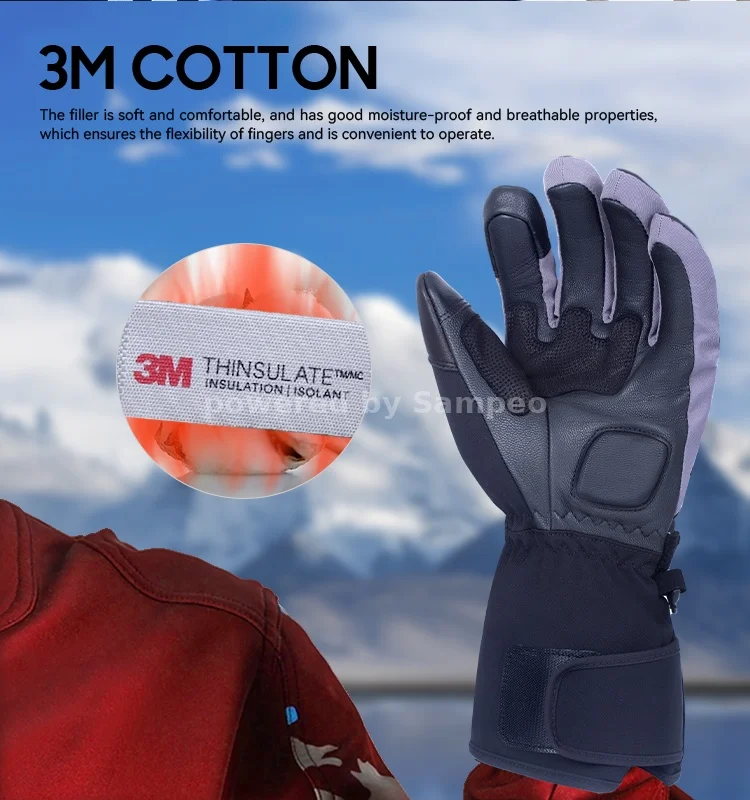
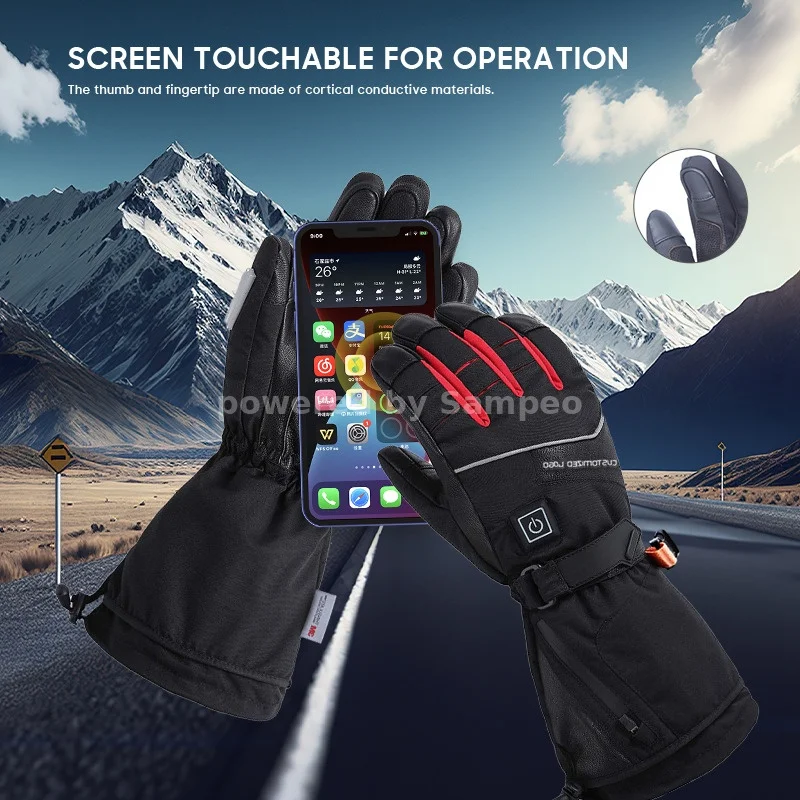
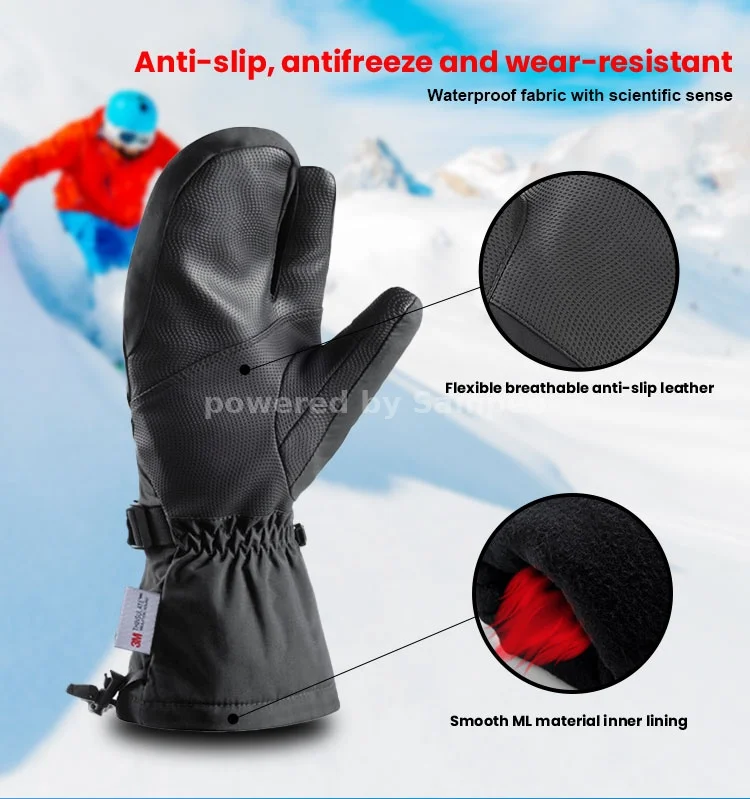
The battery heated apparel contract manufacturing conversation in 2026 sits at the intersection of five intersecting engineering buyer populations. Premium heated apparel brands evaluating OEM development need a factory with documented lamination process control and BMS supplier qualification. Mid-tier private-label brands extending into battery heated apparel need an ODM partner with proven cell grading and pack assembly discipline. Outdoor equipment brands adding battery heated gloves or socks need a factory that has integrated small-form-factor heating elements with cycle-tested BMS protection. Workwear brands specifying battery heated jackets for industrial use cases need a factory that has UN3481-certified pack assembly and over-temperature protection validated for hard use. Finally, the emerging direct-to-consumer battery heated apparel startups that sell exclusively online need a factory that can support rapid iteration with first-article verification on every run. The recommended sequence for most first-time OEM buyers is to begin with ODM at a factory with strong engineering maturity, validate the BMS protection and element uniformity with two to three SKUs, and then graduate to OEM with a custom heating element specification. Across the battery heated apparel contract manufacturing 2026 B2B landscape, the conversation covers battery heated apparel contract manufacturing OEM engineering specification, battery heated apparel contract manufacturing factory process control discipline, battery heated apparel contract manufacturing wholesale distributor capacity, battery heated apparel contract manufacturing supplier qualification protocol, battery heated apparel contract manufacturing manufacturer capability assessment, and battery heated apparel contract manufacturing B2B procurement framework.
Leave a Reply