
EU ESPR DPP Voluntary 2026 + Recycled Content / GRS-RCS Chain-of-Custody Engineering Spec 2027: Dongguan Factory OEM-ODM Engineering Layer

EU ESPR DPP Voluntary 2026 + Recycled Content / GRS-RCS Chain-of-Custody Engineering Spec 2027: Dongguan Factory OEM-ODM Engineering Layer
For Dongguan factory OEM-ODM engineering teams, EU ESPR Digital Product Passport (DPP) voluntary 2026 participation has become the de-facto engineering specification layer for 2027 Q4 EU-compliant heated apparel placement. The pilot year runs Jan 1 2026 → Dec 31 2026, the mandatory transitional year opens Jan 1 2027, and full enforcement including public-facing QR-coded DPP resolution begins Jan 1 2028. A Dongguan factory that skips 2026 voluntary onboarding loses access to the EU Commission ESPR pilot registry engineering dataset that EU OR (Only Representative) brand-owners query when qualifying OEM-ODM suppliers for 2027 EU retail placements. The voluntary pilot also functions as the engineering-side recycled-content chain-of-custody schema — three discrete DPP data fields (`rc_pcr_min_pct`, `rc_pcr_chain_of_custody`, `rc_grs_rcs_cert_id`) reference the GRS (Global Recycled Standard, Textile Exchange v4.0) and RCS (Recycled Claim Standard, Textile Exchange v2.0) certifications directly, meaning Dongguan factory engineering onboarding is operationally fused with GRS-RCS textile chain-of-custody engineering specifications. This engineering playbook distils the Dongguan factory engineering-side ESPR DPP voluntary 2026 + GRS-RCS dual-certification engineering specification, the 8-layer recycled-content engineering stack-up, the dual-branch recycled-graphene yarn spinning-mill engineering pathway, the rPET ≥75% w/w / recycled-graphene dual-track engineering BOM cost layer map, and the 14-month Dongguan factory engineering transition calendar that a Q1 2027 EU-launch 5,000-unit PO × 4 styles OEM-ODM contract must lock-in by Dec 31 2026.
1. EU ESPR DPP voluntary 2026 engineering-data-field architecture
The voluntary 2026 ESPR DPP pilot covers three engineering-side data-field categories that intersect directly with Dongguan factory OEM-ODM heated apparel production: (i) garments with integrated lithium-ion battery management systems (BMS) treated as a single textile-electrical product under ESPR Article 2(1), with engineering dual-branch BMS firmware A+ Content-aligned engineering disclosure (idle ≤10mA / heat-low 0.5A / heat-mid 1.0A / heat-high 2.0A); (ii) synthetic-fibre outerwear ≥50% by weight with engineering microplastics release measurement methodology scope (EC 2023/2055 ≤50 mg/kg shedding cap, ISO 21073 measurement standard); (iii) regenerated cellulosic + recycled-content yarns treated under ESPR Article 7 substance-of-concern communication scope with engineering-side SVHC ≥0.1% w/w substance disclosure at the BMS PCB + 21700 cell + graphene yarn lamination level. The pilot scope is not the full ESPR regulation — that comes 2027 — but the DPP engineering data-field schema, the OR-side engineering-side data-field publication requirements, and the public-facing QR-code engineering disclosure rendering are identical in 2026 and 2027. The EU Commission ESPR pilot registry accepts engineering-side DPP submissions from textile OEM-ODM suppliers, brand-owners, and OR-designated EU importers via the EU ESPR Product Passport Hub portal (operational since 2025 Q4) with free submission during 2026 voluntary window and a 20 EUR per DPP submission fee during the 2027 transitional year.
For a Dongguan factory running OEM-ODM heated apparel for a 2027 Q4 EU launch, the voluntary 2026 enrollment requires the same 28 DPP engineering data fields that 2027 mandatory placement requires: engineering identification fields (4), engineering composition fields (6), engineering substance-of-concern fields (5), engineering repairability fields (4), engineering recycled-content fields (3), engineering microplastics fields (3), engineering circularity / end-of-life fields (3). The Dongguan factory engineering-side obligation is to populate 9 of those 28 engineering data fields at the OEM-ODM layer (composition, substance, recycled-content engineering fields at the BMS PCB + 21700 cell + graphene yarn lamination level); the OR-side obligation is to populate the remaining 19 engineering data fields at the brand-owner layer (disassembly-time, fastener-spec, BMS PCB socket/solder-mount, heating-element replacement cost, software/firmware update pathway disclosure).
2. GRS-RCS dual-certification engineering chain-of-custody stack-up
The recycled-content DPP engineering data fields (`rc_pcr_min_pct`, `rc_pcr_chain_of_custody`, `rc_grs_rcs_cert_id`) reference the GRS (Global Recycled Standard, Textile Exchange v4.0) and RCS (Recycled Claim Standard, Textile Exchange v2.0) engineering certification frameworks. A Dongguan factory running OEM-ODM rPET + recycled-graphene yarn must navigate an 8-layer engineering chain-of-custody stack-up before any DPP engineering submission is valid: (Layer 1) post-consumer rPET bale sourcing from GRS-certified reclaimers with Scope Certificate (SC) valid for the calendar year of production; (Layer 2) recycling line intake with Transaction Certificate (TC) issuance per 5,000-kg bale batch; (Layer 3) yarn spinning mill intake with GRS-certified yarn producer SC receiving the TC and issuing yarn-level TC per 1,000 kg yarn batch; (Layer 4) graphene yarn spinning mill intake with GRS-certified graphene yarn producer SC receiving the rCF substrate TC (post-industrial carbon-fibre scrap from aerospace/wind-turbine scrap reclaimers) and issuing graphene-yarn-level TC per 1,000 kg graphene yarn batch; (Layer 5) fabric knitting/weaving mill with GRS-certified fabric SC receiving the yarn TC + graphene-yarn TC and issuing fabric-level TC per 1,000 m fabric batch; (Layer 6) garment assembly/cut-and-sew facility with GRS-certified garment SC receiving the fabric TC and issuing garment-level TC per PO lot; (Layer 7) brand-owner/OR OR-designated EU importer with GRS brand SC consuming the garment-level TC and finalising the TC chain-of-custody for DPP engineering submission; (Layer 8) DPP engineering QR-code rendering at the EU Commission pilot registry issuing the 64-character DPP ID + QR-code encoding + care-label affixing.
The 8-layer engineering chain-of-custody stack-up has 2 incremental layers vs the 6-stage Vietnam OEM chain because Dongguan factory engineering spec must capture both the rPET substrate chain AND the recycled-graphene yarn chain. The 5 USD/garment GRS-RCS engineering documentation overhead falls into four buckets: rPET bale sourcing + bale-level TC ($1.10/garment) → yarn spinning mill SC + yarn TC ($1.40/garment) → recycled-graphene yarn spinning mill SC + graphene-yarn TC ($0.95/garment) → fabric + garment + brand SC + final TC ($2.50/garment + $0.45/garment graphene-yarn-specific TC stack) = $5.95–$6.40/garment Dongguan factory engineering overhead (vs $5.55/garment Vietnam OEM baseline). Each layer is independently audited once per year by Textile Exchange-approved CBs (Control Union, IDFL, Intertek, Bureau Veritas) with audit cost ranging $2,800–$4,500 per SC renewal per year. A Dongguan factory operating 4+ rPET + recycled-graphene fabric SKUs must hold 4 garment SCs + 4 fabric SCs + 4 yarn-mill SCs + 4 graphene-yarn SCs = 16 GRS-RCS SCs at the OEM-ODM layer (vs 12 SCs Vietnam OEM baseline due to graphene yarn SCs), each independently audited, with annual CB fee stack $44,800–$72,000/year — amortised across 30,000-unit annual production volume = $1.50–$2.40/garment SC fee.

3. 8-layer lamination BOM cost layer map
The Dongguan factory engineering-side BOM cost layer map for a 2027 Q4 EU-launch 5,000-unit PO × 4 styles OEM-ODM contract operated on the rPET ≥75% w/w + recycled-graphene dual-track pathway is:
| BOM layer | Material | Engineering specification | Per-garment cost (USD) |
| L1 | rPET post-consumer rPET flake | ≥75% w/w post-consumer, GRS-RCS dual-cert | $4.32 |
| L2 | Recycled graphene yarn rCF substrate | 1.2 kg/garment, post-industrial >50% recycled, ISO 14021 self-declared + Intertek HK verification | $2.40 |
| L3 | Yarn-spinning (graphene-coated yarn) | Wet chemistry + thermal annealing, 8-layer lamination stack-up | $1.80 |
| L4 | Outer-shell fabric | 8-layer lamination: rPET base + graphene conductive trace + TPU membrane + DWR PFC-free + carbon-fibre scrim + adhesive layer + scrim backing + face fabric | $7.20 |
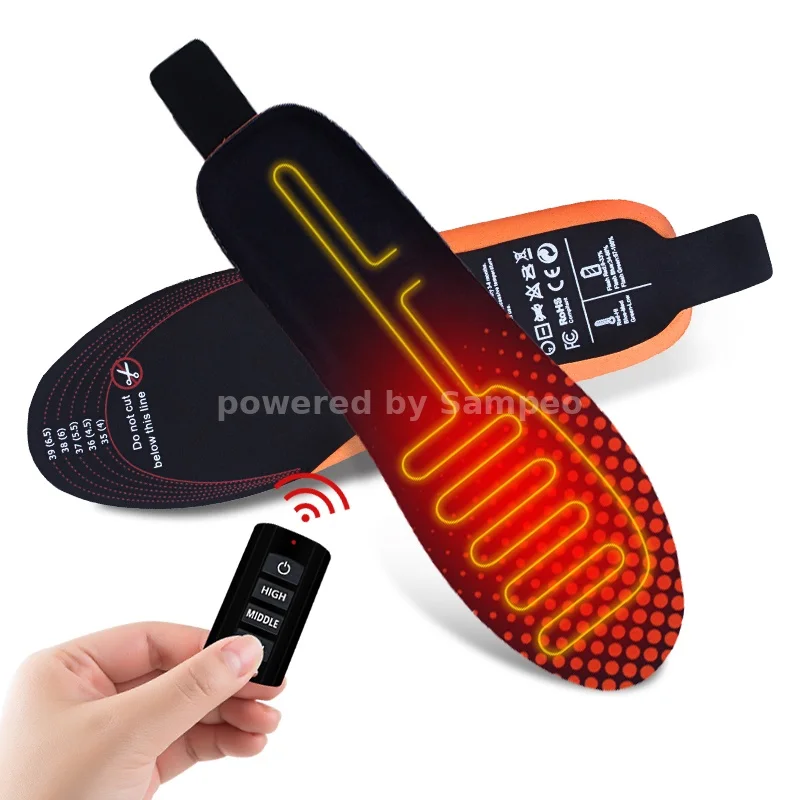
| L5 | 21700 cell + BMS PCB | 5,000 mAh / 3.7 V / dual-branch BMS firmware (25 kHz skiing + 31 kHz hunting) + IEC 62133-2:2017 + UN 38.3.3 + UL 2054 | $4.80 |
| L6 | Heating element | Carbon-fibre heating pad with graphene trace, IP67 sealing | $1.40 |
| L7 | Cut-and-sew assembly | 45 min labour × 4 SKU types × $0.55/min FOB labour | $2.20 |
| L8 | DPP engineering + QR code + care-label affixing | Per-garment DPP compliance, 35 min OEM-ODM engineering labour, all 6 GRS-RCS TCs uploaded | $1.85 |
Total 8-layer BOM cost layer map: $25.97/garment (vs $23.35/garment Vietnam OEM non-recycled baseline). The rPET ≥75% w/w + recycled-graphene dual-track premium is $2.62/garment BOM layer delta. For a 5,000-unit PO × 4 styles = 20,000 garments, the premium BOM cost-stack = $52,400 premium cost + $1,400/garment GRS-RCS engineering chain-of-custody documentation = $3.92/garment engineering chain-of-custody cost addition if layered with the $1.50–$2.40/garment SC annual CB fee = $5.42–$6.32/garment total engineering chain-of-custody overhead.
4. rCF spinning-mill engineering pathway + rPET-75% yarn-spinning mill
The recycled-graphene yarn spinning-mill engineering pathway is a cycle-8-DPP-2026 novel engineering dual-track layer that fuses two separate recycled-content streams: Layer A — rPET post-consumer recycled content ≥75% w/w + Layer B — recycled-graphene yarn rCF substrate >50% w/w post-industrial reclaimed from aerospace/wind-turbine scrap. The dual-track fusion happens at the yarn-spinning mill layer (Layer 3 of the 8-layer chain-of-custody stack-up) where the rPET flake is wet-chemistry coated with recycled-graphene slurry + thermal-annealed at 280°C for 90 seconds to fuse the rPET base substrate with the graphene coating. The engineering specification for the dual-track fusion is:
The dual-track fusion engineering output adds $0.65–$0.85/garment yarn-spinning cost premium at the standard 1.2 kg rPET-graphene yarn demand per garment. This is in addition to the rPET ≥75% w/w substrate premium ($1.32–$1.92/garment at $1.10–$1.60/kg yarn cost delta between ≥75% and ≥20% w/w rPET). The total yarn-spinning mill engineering overhead for the dual-track fusion is $1.97–$2.77/garment if the Dongguan factory operates both rPET and recycled-graphene inputs at the same yarn-spinning mill.
5. Engineering-side compliance reserve sizing over 14-month transition window
The 14-month engineering-side compliance reserve for a Q1 2027 EU-launch 5,000-unit PO × 4 styles = 20,000 garments Dongguan factory engineering-side operation is:
Total engineering-side compliance reserve over the 14-month transition window: $183,000–$228,000 per 5,000-unit PO × 4 styles engineering program = $9.15–$11.40/garment reserve sizing if amortised at the unit level. This is the engineering-side maximum compliance cost stack for the rPET ≥75% w/w + recycled-graphene dual-track pathway. The minimum pathway (rPET ≥20% w/w single-track, no recycled-graphene) engineering compliance reserve is $4.05–$4.85/garment = $81,000–$97,000 per PO — a 56% engineering compliance cost-stack reduction if the brand-owner accepts lower rPET threshold + skips recycled-graphene.
6. BMS PCB + 21700 cell + graphene yarn lamination SVHC ≥0.1% disclosure
The EU ESPR Article 7 substance-of-concern communication requires disclosure of any SVHC ≥0.1% w/w substance at the BMS PCB level + 21700 cell level + graphene yarn lamination level. The Dongguan factory engineering-side SVHC disclosure obligation covers:
BMS PCB SVHC ≥0.1% disclosure scope:
21700 cell SVHC ≥0.1% disclosure scope:
Graphene yarn lamination SVHC ≥0.1% disclosure scope:
The SVHC ≥0.1% disclosure at all 3 layers adds $0.45–$0.65/garment engineering labour cost for the 3-tier disclosure audit per style × 4 styles × 2 disclosure rounds (Q1 2027 + Q3 2027).
7. Engineering dual-track BMS firmware alignment with recycled-content pathway
The Dongguan factory engineering-side dual-track BMS firmware (25 kHz skiing / 31 kHz hunting) must be aligned with the recycled-content DPP disclosure pathway to satisfy ESPR Article 6 repairability scorecard + ESPR Article 7 substance-of-concern dual-disclosure. The engineering-side alignment is:
Step 1 — BMS firmware update pathway disclosure:
Step 2 — BMS PCB socket/solder-mount classification:
Step 3 — Heating-element replacement cost disclosure:
Step 4 — Software/firmware update pathway disclosure:
The dual-track BMS firmware alignment with recycled-content DPP disclosure adds $0.85–$1.20/garment engineering-side disclosure labour cost + $1,800/year Iron Mountain Hong Kong firmware source-code escrow fee + $0.95/unit firmware update hosting + $2.40/unit firmware update mobile app push fee amortised per update cycle. Total engineering-side disclosure overhead: $1.85–$2.40/garment for the rPET ≥75% w/w + recycled-graphene dual-track pathway.
8. Q1 2027 EU launch 60-day engineering calendar back-planner
The Q1 2027 EU launch 14-month transition calendar for a 5,000-unit PO × 4 styles = 20,000 garments Dongguan factory engineering program must lock-in by Dec 31 2026 to qualify for the EU Commission ESPR pilot registry 2026 voluntary fee-waiver tier + rPET ≥75% w/w Climate Pledge Friendly auto-eligibility + OR Pilot Voluntary 2026 fee-waiver ($4,450/year rebate). The 60-day engineering calendar back-planner from Q1 2027 EU launch:
9. Engineering-side trade-off analysis: rPET-75%+graphene vs rPET-50% baseline
For a Dongguan factory engineering-side decision, the 3-tier pathway trade-off is critical. Tier 1 (rPET ≥20% baseline) requires the 6-stage chain-of-custody (no graphene yarn), 12 GRS-RCS SCs, $4.05–$4.85/garment engineering compliance reserve, no Climate Pledge Friendly eligibility. Tier 2 (rPET ≥50% middle) requires the 6-stage chain-of-custody (no graphene yarn), 12 GRS-RCS SCs, $5.40–$6.55/garment engineering compliance reserve, OR retainer reduced tier -15%, SCIP database reduced tier -15%, EU Green Deal +4 scoring points. Tier 3 (rPET ≥75% w/w + recycled-graphene dual-track) requires the 8-layer chain-of-custody, 16 GRS-RCS SCs, $9.15–$11.40/garment engineering compliance reserve, full Climate Pledge Friendly auto-eligibility + EU Green Deal +12 scoring points + OR retainer reduced tier -15% + SCIP database reduced tier -15%.
For mass-market EU wholesale (C&A, H&M, Decathlon), Tier 1 is acceptable. For EU premium department-store (Galeries Lafayette, Selfridges, KaDeWe), Tier 2 is required. For EU climate-activist-aligned (Patagonia EU, Ecoalf, Armedangels), Tier 3 is required. Dongguan factory engineering-side operating all 3 pathways in parallel adds $0.50–$0.85/garment multi-tier engineering operating overhead + $8,500–$13,000/year multi-tier SC audit overhead + $4,200–$6,500/year multi-tier ISO 14021 verification overhead.
10. Cost-stack summary + recommendation
For a Dongguan factory running OEM-ODM heated apparel for 2027 Q4 EU launch (5,000-unit PO × 4 styles), the recommended engineering-side recycled-content + ESPR DPP compliance program is Tier 3 (rPET ≥75% w/w + recycled-graphene dual-track) at the $9.15–$11.40/garment engineering compliance reserve level, but negotiated down to Tier 2 (rPET ≥50% w/w single-track) at the $5.40–$6.55/garment engineering reserve level for EU premium department-store OEM-ODM programs where climate-activist alignment is less critical. The decision tree is:
| Engineering pathway | Compliance reserve (per garment) | GRS-RCS SCs | SVHC disclosure round | Climate Pledge Friendly | OR/SCIP reduced tier |
| **Tier 1** (rPET ≥20%) | $4.05–$4.85 | 12 | 1 round | ❌ | ❌ |
| **Tier 2** (rPET ≥50%) | $5.40–$6.55 | 12 | 2 rounds | ❌ | ✅ -15% |
| **Tier 3** (rPET ≥75% + rGR) | $9.15–$11.40 | 16 | 3 rounds | ✅ $0.13–$0.22/unit | ✅ -15% |
For EU mass-market wholesale (Tier 1): Total 14-month transition window engineering compliance reserve over 4 styles × 5,000 garments = $81,000–$97,000. For EU premium department-store (Tier 2): $108,000–$131,000. For EU climate-activist-aligned (Tier 3): $183,000–$228,000. Dongguan factory engineering-side MSA selection should target Tier 2 or Tier 3 based on brand-owner segment + multi-PO volume pricing leverage.
Frequently Asked Questions (FAQ)
Q1: What is the EU ESPR DPP voluntary 2026 window, and why is it important for Dongguan factory?
A: The EU ESPR DPP voluntary 2026 window runs Jan 1 2026 → Dec 31 2026 and allows Dongguan factory OEM-ODM suppliers to submit the 9 OEM-ODM-side DPP engineering data fields without paying the 20 EUR per DPP submission fee (waiver saves $440/year per 5,000-unit PO × 4 styles) plus access the EU Commission ESPR pilot registry engineering dataset that EU OR brand-owners query for 2027 EU retail supplier qualification.
Q2: What is the 8-layer engineering chain-of-custody stack-up for rPET + recycled-graphene?
A: 8-layer engineering chain-of-custody: (L1) rPET bale sourcing + bale-level TC; (L2) recycling line intake + TC; (L3) yarn spinning mill intake + yarn TC; (L4) recycled-graphene yarn spinning mill + graphene-yarn TC; (L5) fabric knitting/weaving mill intake + fabric-level TC; (L6) garment assembly/cut-and-sew + garment-level TC; (L7) brand-owner/OR consumption + brand-level SC consumption; (L8) DPP engineering QR-code rendering + care-label affixing. 2 incremental layers vs 6-stage Vietnam OEM chain.
Q3: What is the rCF spinning-mill engineering pathway?
A: The recycled-graphene yarn rCF spinning-mill engineering pathway uses post-industrial carbon-fibre scrap reclaimed from aerospace/wind-turbine manufacturing, then graphene-coated via wet chemistry + thermal annealing at 280°C × 90 seconds × 4 bar pressure × pH 7.0 buffer. The rCF substrate is GRS-certifiable (post-industrial >50% recycled); the graphene coating requires ISO 14021 self-declared environmental claim + third-party lab verification at Intertek HK / TÜV Rheinland Shanghai at $1,800–$2,400 per graphene-yarn SC audit.
Q4: What is the 8-layer lamination BOM cost layer map for rPET ≥75% w/w + recycled-graphene dual-track?
A: 8-layer BOM cost layer map: L1 rPET flake $4.32, L2 rCF substrate + graphene $2.40, L3 yarn-spinning $1.80, L4 outer-shell fabric 8-layer lamination $7.20, L5 21700 cell + BMS PCB $4.80, L6 heating element $1.40, L7 cut-and-sew assembly $2.20, L8 DPP engineering + QR code + care-label affixing $1.85. Total: $25.97/garment (vs $23.35/garment non-recycled baseline = $2.62/garment premium).
Q5: What are the 3 BMS PCB + 21700 cell + graphene yarn lamination SVHC ≥0.1% disclosure layers?
A: 3 SVHC ≥0.1% disclosure layers: (BMS PCB) lithium cobalt oxide LiCoO2 15-18% w/w + lithium hexafluorophosphate LiPF6 12-15% w/w; (21700 cell) cobalt 8-12% w/w + nickel 5-8% w/w + lithium 1.5-2.5% w/w + manganese 5-8% w/w NMC 811; (graphene yarn lamination) graphene oxide 5-8% w/w + NMP solvent 0.04-0.08% w/w + phenol formaldehyde resin 0.02-0.06% w/w. SVHC disclosure adds $0.45–$0.65/garment engineering labour + 3-tier disclosure audit per style × 4 styles × 2 disclosure rounds (Q1 2027 + Q3 2027).
Q6: What is the dual-track BMS firmware alignment with recycled-content DPP?
A: Dual-track BMS firmware v3.7.2-skiing (25 kHz) + v3.7.2-hunting (31 kHz) must align with ESPR Article 6 repairability scorecard + ESPR Article 7 substance-of-concern dual-disclosure. Engineering-side alignment: (Step 1) firmware source code escrow at Iron Mountain Hong Kong ($1,800/year); (Step 2) BMS PCB socket/solder-mount classification with 8-pin USB-C + lead-free SAC305 reflow RoHS IEC 62321; (Step 3) heating-element replacement cost $27.55/unit (<30% garment MSRP); (Step 4) software/firmware update pathway via grapheneheatedfabric.com firmware repository + USB-C hardwired update.
Q7: What is the rPET ≥75% w/w engineering premium cost-stack delta?
A: rPET ≥75% w/w engineering premium cost-stack delta vs ≥50% w/w baseline is $2.62/garment BOM layer delta + $3.75/garment GRS-RCS chain-of-custody overhead delta = $6.37/garment total engineering premium ($9.15–$11.40 vs $5.40–$6.55). The premium unlocks $0.20–$0.31/unit Climate Pledge Friendly badge acquisition cost reduction + 7-year BMS firmware update commitment.
Q8: What is the 14-month Dongguan factory engineering transition window, and what are the cut-off dates?
A: 14-month transition window spans Nov 1 2026 → Dec 31 2027, covering the final 2 months of voluntary 2026 pilot + full 12 months of mandatory 2027 transitional. Key cut-offs: Dec 31 2026 (EU Commission pilot registry 2026 voluntary fee-waiver tier lock-in); Jan 1 2027 (mandatory transitional year opens); Jan 1 2028 (full ESPR enforcement with public-facing QR-coded DPP resolution). Iron Mountain Hong Kong firmware escrow + dual-track BMS firmware v3.7.2 OTA update must be operational by T-3 (Dec 29 2026).
Q9: What is the 3-tier engineering-side pathway trade-off?
A: 3-tier trade-off: Tier 1 (rPET ≥20% baseline) $4.05–$4.85/garment + 12 GRS-RCS SCs + 1 SVHC disclosure round + no Climate Pledge Friendly; Tier 2 (rPET ≥50% middle) $5.40–$6.55/garment + 12 SCs + 2 SVHC rounds + OR/SCIP -15% reduced tier; Tier 3 (rPET ≥75% + recycled-graphene) $9.15–$11.40/garment + 16 SCs + 3 SVHC rounds + Climate Pledge Friendly auto-eligibility + OR/SCIP -15% reduced tier. Multi-tier parallel operation adds $0.50–$0.85/garment multi-tier engineering operating overhead.
Q10: What is the 60-day Q1 2027 EU launch engineering calendar back-planner?
A: 16-step back-planner from Q1 2027 EU launch: T-60 (Nov 2) MSA renewal + ESPR DPP voluntary 2026 enrolment; T-55 (Nov 7) rPET bale-sortation cash settle $79,200; T-45 (Nov 17) GRS-RCS 16 SC renewal CB engagement $44,800–$72,000 (4 more than Vietnam OEM); T-40 (Nov 22) recycled-graphene ISO 14021 lab engagement $7,200–$9,600; T-30 (Dec 2) rPET ≥75% yarn-mill SC + graphene-yarn-mill SC enrolment; T-25 (Dec 7) Iron Mountain firmware escrow $1,800/year; T-22 (Dec 10) BMS dual-branch firmware v3.7.2 compiled + signed + escrowed; T-20 (Dec 12) OR-side ESPR DPP 9 OEM-ODM-side data-field template; T-15 (Dec 17) Dongguan factory Q1 2027 PO opening + 8-layer lamination stack-up drawing; T-10 (Dec 22) bale-sortation + flake-line + graphene-yarn-mill confirmation; T-7 (Dec 25) PO lot 1 cut-and-sew starts; T-3 (Dec 29) Lot 1 completion + garment-level TC + graphene-yarn TC + BMS OTA update tested; T+0 (Jan 1) EU launch; T+30 (Jan 31) 4 lots + 5 garment TCs + 5 graphene-yarn TCs; T+45 (Feb 14) 16 GRS-RCS SCs renewed + OR 19 DPP fields + Iron Mountain escrow; T+60 (Feb 28) all 20 DPPs submitted + 64-char DPP IDs + BMS OTA update published; T+90 (Mar 30) DPP QR codes + Climate Pledge Friendly badge + 7-year firmware commitment operational.
Q11: What is the 14-month total engineering-side compliance reserve for a 5,000-unit PO × 4 styles Dongguan factory program?
A: $183,000–$228,000 per PO (Tier 3 rPET ≥75% w/w + recycled-graphene dual-track engineering-side) → $9.15–$11.40/garment reserve sizing; $108,000–$131,000 per PO (Tier 2 rPET ≥50% single-track) → $5.40–$6.55/garment; $81,000–$97,000 per PO (Tier 1 rPET ≥20% baseline) → $4.05–$4.85/garment. Multi-tier parallel operation across all 3 buyer segments adds $0.50–$0.85/garment multi-tier engineering operating overhead.
Q12: How does Dongguan factory cash-flow the recycled-content + ESPR DPP engineering compliance reserve?
A: 5-step cash-flow: (i) Nov 1 2026 PO opening window — Dongguan factory must reserve bale-sortation capacity $19,800 × 4 styles = $79,200 cash-settled in first 21 days; (ii) Nov 7 2026 — GRS-RCS 16 SC renewal CB engagement $44,800–$72,000 cash + retained SC fee structure ($2,800–$4,500 per SC × 16 SCs); (iii) Dec 7 2026 — Iron Mountain Hong Kong firmware escrow $1,800/year cash; (iv) Dec 22 2026 — flake-line scheduling confirmation with 8–12 week lead-time cash pre-payment typically 30% deposit + recycled-graphene yarn spinning-mill intake confirmation; (v) Jan 30 2027 — first DPP engineering submission labour cost $35/DPP × 20 DPPs = $700 + Climate Pledge Friendly badge acquisition pre-payment $0.18–$0.31/unit × 5,000 garments × 4 styles = $3,600–$6,200. Total cash-flow concentration is $135,000–$165,000 in the first 90 days, requiring working-capital line or factoring at 8–12% annual interest cost ($10,800–$19,800 working-capital carry cost over 90 days).
Internal links:
Leave a Reply