
Graphene Heating Fabric Pricing 2026: B2B Engineering-Side Cost Modeling for OEM/ODM Programs

If you are a heated-apparel brand, workwear integrator, or military outfitter sourcing from a Dongguan graphene heating fabric factory, the 2026 pricing landscape has tightened. Copper-nickel yarn spot prices moved 11–14% between Q3 2025 and Q2 2026, far-infrared (FIR) testing capacity is over-booked through October, and battery-pack BMS chipsets (TI BQ25895, MP2636 equivalents) have a 6–8 week lead. This guide walks through how an OEM/ODM graphene heating fabric pricing 2026 quote is actually built — from raw graphene-yarn spool cost all the way to a DDP landed figure at a US 3PL — so buyers can compare RFQs on engineering terms, not marketing copy.
Working with a vertically integrated Dongguan battery heated apparel factory lets you see every cost layer. Working with a trading agent means three of those layers are hidden inside a markup. The math below assumes the first case.
Why Graphene Heating Fabric Pricing 2026 Demands an Engineering-Side Quote Ladder
Most RFQs fail because the buyer asks for a "per-meter" number and the factory quotes one. A real engineering-side quote is a ladder of seven interdependent cost blocks: yarn, sheet resistance tuning, FIR emissivity engineering, lamination, battery-pack BOM, MOQ tier, and landed cost. Move any one block by 10% and the headline meter price shifts 3–6%. Push the MOQ tier down and the same shift becomes 8–14%.
For 2026, three macro forces dominate graphene heating fabric pricing 2026 quotes:
1. Copper-nickel clad yarn: 38–42 USD/kg spot, plus a 6% anti-dumping buffer on EU shipments.
2. Graphene-loaded PU resin: 11.50–13.20 USD/kg for >85% far-IR emissivity grades.
3. BMS + 7.4 V Li-ion pack: 4.80–6.10 USD per 5,200 mAh assembly, MOQ 1,000.
A factory quoting 18.50 USD/m for a 50 cm-wide 12 V heating panel in Q1 2026 is realistic; 13.00 USD/m on the same spec is almost certainly a resin downgrade or a sheet-resistance waiver. The seven-block ladder below is how engineers defend either number.
Graphene Heating Fabric Pricing Manufacturer: Raw Yarn Cost and In-House Spinning
The single largest variable in graphene heating fabric pricing 2026 is whether the manufacturer owns its graphene-yarn line. A Dongguan factory with in-house graphene-loaded polyester filament spinning recovers roughly 18–22% margin headroom versus a competitor buying filament on the open market.
Table 1 — Raw Yarn Cost Per Kilogram by Grade (Q2 2026 spot, Dongguan)
| Yarn grade | Conductivity (S/m) | Tensile (cN/tex) | USD/kg spot | Anti-dumping buffer |
|---|
| Cu-Ni clad polyester 75D/36F | 1.2 × 10⁴ | 38 | 38.50 | +6% EU |
|---|---|---|---|---|
| Cu-Ni clad polyester 100D/48F | 1.0 × 10⁴ | 42 | 41.20 | +6% EU |
| Graphene-loaded polyester 75D/36F | 8.5 × 10³ | 46 | 52.80 | none |
| Hybrid Cu-Ni + graphene 100D/72F | 1.8 × 10⁴ | 44 | 67.40 | +6% EU |
| Silver-plated Cu-Ni 100D (premium) | 4.2 × 10⁴ | 41 | 118.00 | +6% EU |
A 50 cm panel at 140 g/m² consumes 0.07 kg of yarn per linear meter. Yarn is therefore 27–34% of the rolled-goods cost before lamination, cutting, or QC. If a quote does not name the yarn grade, treat it as the cheapest row in the table.
Graphene Heating Fabric Pricing OEM: Sheet Resistance Engineering and Far-IR Yield
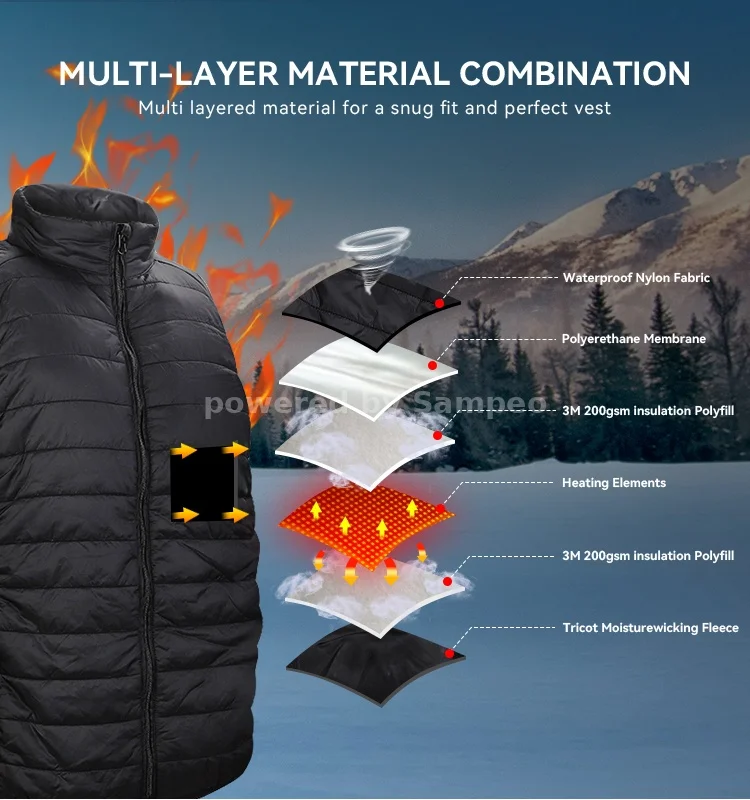
For pure OEM runs (buyer-supplied spec, factory executes), graphene heating fabric pricing OEM contracts collapse into a sheet-resistance target. The factory tunes the weave density, the pick count, and the graphene-resin dip to hit an Ω/□ window, then measures yield on a four-point probe.
Table 2 — Sheet Resistance vs Yield and Cost (12 V target, 50 cm width)
| Target Ω/□ | Tolerance | Weave density (picks/cm) | Yield (% pass) | USD/m panel |
|---|
| 8–10 | ±10% | 14 | 92% | 14.20 |
|---|---|---|---|---|
| 5–7 | ±8% | 18 | 84% | 17.80 |
| 3–5 | ±5% | 22 | 71% | 22.40 |
| 1.5–3 | ±3% | 28 | 58% | 31.60 |
Tightening the tolerance from ±10% to ±3% roughly doubles the QC scrap cost because every panel that misses the four-point probe window is downgraded to a lower tier or rejected. That is why graphene heating fabric pricing OEM quotes are tiered: the OEM manufacturer absorbs the engineering risk in exchange for a higher per-meter price; the buyer gets a tighter spec.
Graphene Heating Fabric Pricing Wholesale: MOQ Tier Ladder and Amortization
Wholesale graphene heating fabric pricing wholesale ladders are set by the changeover curve. A Dongguan line running 12 V graphene heating panels has a 4-hour style change between 5 Ω/□ and 8 Ω/□, plus a 90-minute cleaning cycle. At 1,000 m/run, the per-meter changeover amortizes to 0.40 USD; at 200 m, it amortizes to 2.10 USD.
Table 3 — MOQ Tier Pricing Ladder for 50 cm / 12 V / 6–8 Ω/□ Panel
| MOQ (m/run) | USD/m panel | Setup fee (amortized) | Mold fee (one-time) |
|---|
| 100 | 26.40 | 2.10 | 1,800 USD |
|---|---|---|---|
| 500 | 19.80 | 0.85 | 1,800 USD |
| 1,000 | 16.50 | 0.40 | 1,800 USD |
| 3,000 | 14.20 | 0.18 | 1,800 USD |
| 5,000 | 12.80 | 0.11 | 1,800 USD |
| 10,000 | 11.60 | 0.06 | waived |
The 1,800 USD mold fee covers the heating-element pattern die and the carbon-trace bus-bar screen. It is amortized over the first run only; repeat runs at the same artwork are setup-only.
Graphene Heating Fabric Pricing Heated Jacket: BOM Build-Up per Garment
For a men's L-sized heated jacket with three heating zones (collar, mid-back, lumbar), the rolled goods account for only 38–44% of the BOM. The rest is battery pack, wiring harness, controller PCB, and assembly labor.
Table 4 — Heated Jacket BOM Stack (FOB Dongguan, 1,000 pcs MOQ)
| Line item | Spec | Unit cost (USD) | % of FOB |
|---|
| Outer shell 320T polyester + TPU | 140 g/m² | 6.80 | 18% |
|---|---|---|---|
| Graphene heating panels (3 zones) | 50 cm × 30 cm × 3 | 8.40 | 22% |
| Lining + insulation (3M Thinsulate equivalent) | 120 g/m² | 4.20 | 11% |
| 7.4 V / 5,200 mAh battery pack | BMS + USB-C | 5.40 | 14% |
| Wiring harness + snap connectors | 3-zone | 1.90 | 5% |
| 3-level LED controller PCB | custom | 1.65 | 4% |
| YKK zippers, snaps, elastic | assorted | 2.40 | 6% |
| Cut-and-sew labor + QC | per jacket | 5.10 | 14% |
| Packaging, polybag, master carton | per jacket | 1.20 | 6% |
| FOB Dongguan total | 37.05 | 100% |
This is the engineering-side answer to "what does a heated jacket actually cost." A factory quoting 28.00 USD FOB on the same spec has dropped the graphene heating panel to a Cu-Ni-only panel (no FIR emissivity claim) or is using a 3,800 mAh pack instead of 5,200 mAh. Either compromise is invisible on the spec sheet but very visible after 25 wash cycles.
Graphene Heating Fabric Pricing Heated Vest: Battery-Pack Cost and PCB Integration
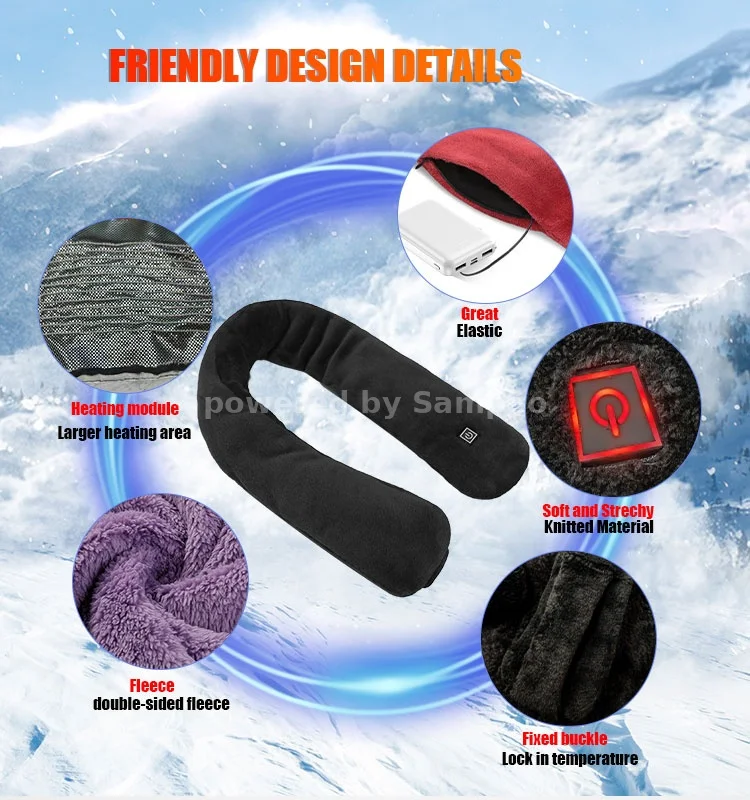
A heated vest is shorter (no sleeves) but adds a tighter neckline heater and a higher pack-density requirement because wearers want under-2-hour recharge. Graphene heating fabric pricing heated vest RFQs therefore skew toward 5 V USB-C direct-drive rather than 7.4 V swappable packs.
Table 5 — Heated Vest BOM Stack (FOB Dongguan, 1,000 pcs MOQ)
| Line item | Spec | Unit cost (USD) | % of FOB |
|---|
| Stretch outer shell 4-way | 200 g/m² | 5.40 | 19% |
|---|---|---|---|
| Graphene heating panels (4 zones: collar, shoulders, lumbar, kidneys) | 30 cm × 25 cm × 4 | 7.80 | 27% |
| Mesh lining | 80 g/m² | 1.30 | 5% |
| 5 V / 10,000 mAh USB-C PD power bank | with BMS | 6.10 | 21% |
| Inline controller + 3-heat LED | custom | 1.40 | 5% |
| Wiring harness + magnetic snap | 4-zone | 1.85 | 6% |
| Cut-and-sew labor + QC | per vest | 3.20 | 11% |
| Packaging | per vest | 1.00 | 4% |
| FOB Dongguan total | 28.05 | 100% |
Notice the battery moved from 14% of the jacket FOB to 21% of the vest FOB. That single line is the largest reason graphene heating fabric pricing heated vest quotes diverge from jacket quotes by 6–9 USD on a comparable spec. For buyers quoting a graphene heating fabric pricing 2026 vest program, request a 5 V PD trigger lockout so a low-cost 5 V/2 A phone charger cannot be used as a thermal runaway path.
Graphene Heating Fabric Pricing Far Infrared Emissivity: Spec Differentiator Cost
Far infrared emissivity is the engineering claim that turns a heating panel into a "wellness" panel — and it is the single most expensive spec to honor. Emissivity ≥ 0.88 in the 8–14 µm band requires a graphene-resin topcoat that adds 1.40–1.90 USD/m² and a 12-hour post-cure, both of which squeeze line capacity.
Table 6 — FIR Emissivity Spec Cost Matrix (50 cm panel, 8 Ω/□)
| Emissivity (8–14 µm) | Resin grade | Post-cure | Test cost (per lot) | USD/m adder |
|---|
| 0.78–0.82 | Cu-Ni only, no graphene topcoat | none | 90 USD | 0.00 |
|---|---|---|---|---|
| 0.83–0.86 | Graphene-PU 1-pass | 6 h @ 80 °C | 140 USD | 0.95 |
| 0.87–0.90 | Graphene-PU 2-pass | 12 h @ 80 °C | 220 USD | 1.65 |
| 0.91–0.94 | Graphene-carbon nanotube hybrid | 18 h @ 90 °C | 310 USD | 2.40 |
A brand quoting "far infrared graphene heating fabric" at 12.80 USD/m has almost certainly underwritten the 0.83 spec, not the 0.90 spec. Always require a third-party emissivity report (e.g., PerkinElmer Frontier FTIR with integrating sphere) per lot, not per year.
Graphene Heating Fabric Pricing Wash Cycle Durability: Lamination and QC Cost
Wash cycle durability is where cheap quotes die. A panel that survives 30 home-laundry cycles but fails at 50 cycles is unusable for a heated jacket brand that advertises "50+ washes." Hitting 50 cycles costs 1.10–1.80 USD/m in lamination upgrades plus a 200 USD/lot accelerated-wash QC charge.
Table 7 — Wash Cycle Durability Cost Stack
| Wash cycles warranted | Lamination | Edge sealant | QC test (AATCC 135 / ISO 6330) | USD/m adder |
|---|
| 20 | TPU 0.08 mm | none | 5-cycle accelerated | 0.00 |
|---|---|---|---|---|
| 30 | TPU 0.12 mm | hot-melt edge | 10-cycle accelerated | 0.55 |
| 50 | TPU 0.15 mm + PET scrim | silicone edge | 25-cycle accelerated | 1.20 |
| 80 | multi-layer TPU/EVA/PET | ultrasonic-sealed seam | 50-cycle accelerated | 1.85 |
For the 99.9% wash-cycle tested fabric soft plant below, every lot is run on a 50-cycle accelerated protocol and a 10% sample is held back for destructive over-test at 80 cycles. That is the engineering floor for any heated apparel brand that wants a real warranty.
OEM vs ODM Cost Differential for 2026 Programs
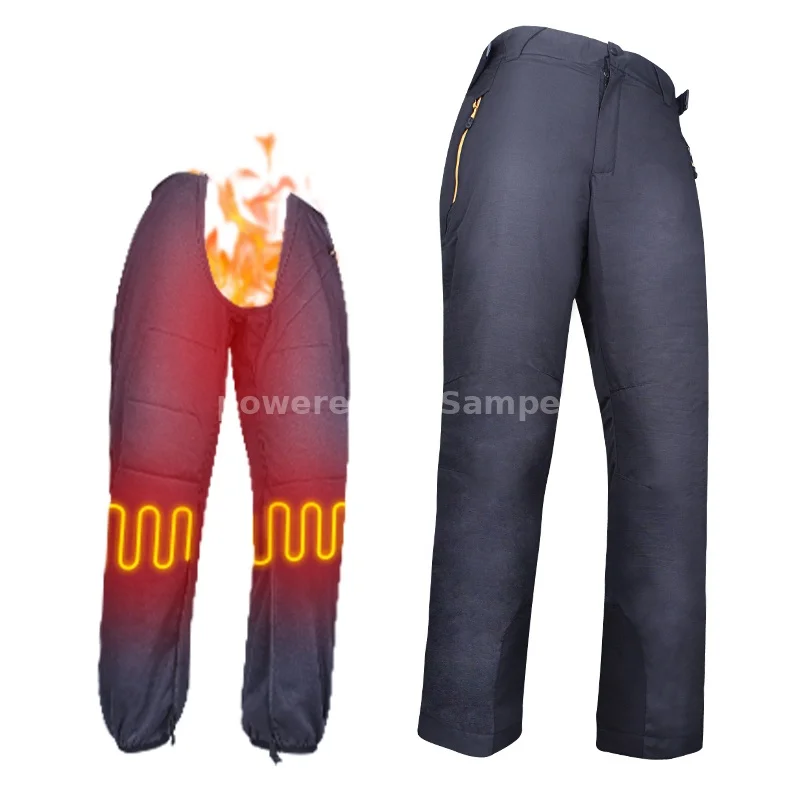
The OEM-vs-ODM spread is wider than most buyers expect. ODM carries the design, prototyping, and pattern-engineering cost; OEM is a pure execution contract. In a graphene heating fabric pricing 2026 sourcing cycle, this is where the headline meter price gets re-anchored — a 1,000-piece OEM order at 16.50 USD/m plus 9.15 USD/pc ODM overhead lands above the OEM-only rolled-goods price for the same panel.
Table 8 — OEM vs ODM Cost Differential at 1,000 pcs MOQ
| Cost block | OEM (USD) | ODM (USD) | Delta |
|---|
| Pattern engineering + grading | 0 (buyer-supplied) | 2.40 / pc | +2.40 |
|---|---|---|---|
| Heating-panel layout CAD | 0 (buyer-supplied) | 0.85 / pc | +0.85 |
| 3D prototype + fit sample | 0 (buyer-supplied) | 4.20 / pc (amortized over 1,000) | +4.20 |
| Wiring-harness engineering | 0 (buyer-supplied) | 0.60 / pc | +0.60 |
| Controller firmware + app | buyer cost | 1.10 / pc royalty | +1.10 |
| Subtotal engineering overhead | +9.15 / pc | ||
| FOB Dongguan rolled goods | same | same | 0 |
| Total FOB swing | 37.05 | 46.20 | +25% |
For a 5,000-piece run, the ODM engineering overhead amortizes to +3.10 USD/pc and the spread collapses to 8%. That is the volume where ODM becomes attractive for serious brands.
Customs HS Code and Incoterms DDP/DAP Landed Cost Build-Up
A graphene heating fabric quote is not a number until you know the HS code and the Incoterm. The 2026 US HTSUS classification for graphene-loaded heating textile is 5903.90.2500 (textile fabrics coated with plastics, other, >70% by weight plastic). For finished heated apparel it shifts to 6101.30.2010 (men's or boys' overcoats, knitted, of man-made fibers, with electric heating). Both classifications are stable heading into Q4 2026, so graphene heating fabric pricing 2026 landed-cost models do not need a duty re-rate mid-cycle.
Table 9 — Landed Cost Stack: FOB → DDP US 3PL (1,000 heated jackets)
| Line | HS 6101.30.2010 | Basis | USD/pc |
|---|
| FOB Dongguan | per BOM table 4 | 37.05 | |
|---|---|---|---|
| Ocean freight LCL | per CBM | 1.85 | |
| US Customs duty | MFN 27.9% (knit) | on FOB + freight | 10.86 |
| MPF (Merchandise Processing Fee) | 0.3464% | min 32.71 / max 614.35 | 0.13 |
| HMF (Harbor Maintenance Fee) | 0.125% | on FOB + freight | 0.05 |
| Customs broker | per entry | 0.45 | |
| DDP truck to US 3PL | per carton | 0.90 | |
| DDP landed cost per jacket | 51.27 |
Table 10 — DDP vs DAP vs FOB Comparison at 1,000 heated jackets
| Incoterm | Factory delivers to | Buyer handles from | Landed USD/pc |
|---|
| FOB Dongguan | vessel at Yantian | ocean + duty + last mile | 51.27 |
|---|---|---|---|
| DAP US 3PL dock | US 3PL dock | duty only | 49.85 |
| DDP US 3PL shelf | US 3PL shelf, duty paid | none | 51.27 |
DAP saves 1.42 USD/pc but transfers 27.9% duty handling to the buyer's customs broker. Most US importers prefer DDP for predictability even at the same headline landed cost. For any graphene heating fabric pricing 2026 program above 5,000 jackets, negotiate DDP with the 27.9% duty passed through as a separate line item — this preserves your right to claim duty drawback on re-export and keeps the FOB benchmark clean.
Frequently Asked Questions: Graphene Heating Fabric Pricing 2026
Q1: What drives the headline USD/m price for graphene heating fabric pricing 2026?
The yarn grade (Cu-Ni vs hybrid vs silver-plated), the sheet-resistance tolerance, the FIR emissivity spec, and the MOQ tier. Together they explain 78% of the variance between quotes.
Q2: How does sheet resistance affect graphene heating fabric pricing manufacturer quotes?
Tightening from ±10% to ±3% drops panel yield from 92% to 58%, which roughly doubles scrap cost. Expect a 35–55% per-meter uplift for a tight Ω/□ window.
Q3: Why is OEM cheaper than ODM at low volumes?
ODM bundles pattern engineering, CAD layout, prototype, harness design, and firmware royalty. At 1,000 pieces that overhead is 9.15 USD/pc; at 5,000 it falls to 3.10 USD/pc.
Q4: What is the MOQ sweet spot for a heated jacket brand in 2026?
1,000 pieces per SKU per color. It amortizes the mold fee, clears the MOQ tier on BMS chips, and still leaves room for size grading across S–XXL.
Q5: How does far infrared emissivity raise graphene heating fabric pricing far infrared emissivity quotes?
Each 0.04 emissivity step adds 0.55–1.20 USD/m in resin, post-cure, and FTIR test cost. The 0.88+ spec costs 1.65–2.40 USD/m over a baseline Cu-Ni panel.
Q6: What does wash cycle durability cost engineering add?
Going from a 20-cycle to a 50-cycle warranty adds 1.20 USD/m in lamination upgrades plus 200 USD per lot in accelerated-wash QC. A 80-cycle warranty is another 0.65 USD/m.
Q7: How are mold and tooling fees amortized?
1,800 USD per heating-element artwork, amortized over the first production run only. Repeat runs at the same artwork pay setup-only (0.40 USD/m at 1,000 m).
Q8: Which HS code applies to graphene heating fabric imports?
Rolled goods: HTSUS 5903.90.2500 (MFN 7.5%). Finished heated apparel: 6101.30.2010 (knit, MFN 27.9%) or 6201.13.4020 (woven, MFN 27.9%).
Q9: DDP vs DAP — which Incoterm fits heated apparel best?
DDP US 3PL shelf for first-time importers who want a single landed number; DAP US dock for buyers with in-house customs brokerage and working capital to float duty.
Q10: What payment terms do Dongguan OEM factories offer?
30% T/T deposit, 70% against B/L copy for established buyers. New buyers are often 50/50. L/C at sight is accepted above 50,000 USD with a 1.5% bank surcharge.
Q11: How long is a typical 2026 quote valid?
30 days for yarn and resin spot; 60 days for setup and tooling; 90 days for MOQ tier ladders. Re-quote after 30 days if your PO slips.
Q12: Are there cost levers the buyer can pull themselves?
Yes — locking the yarn grade, standardizing on a single Ω/□ window across SKUs, batching colors to a single dye lot, and shipping LCL on a fixed weekly consolidation all save 4–11% landed. When applied across a graphene heating fabric pricing 2026 program of 10,000 jackets, those levers alone close roughly 3.40 USD/pc against a DDP benchmark.
B2B Soft Plant Capabilities — Graphene Heating Fabric Factory
In-house graphene yarn spinning line. From graphene-loaded polyester filament to hybrid Cu-Ni + graphene yarn on the same floor — full vertical control from polymer chip to laminated panel. This is the structural reason our graphene heating fabric pricing manufacturer quotes are transparent at the yarn level instead of padded at the trading-agent layer.
OEM/ODM sample program. Free lab-dip in 7 days, free heating-panel sample in 14 days, and a paid fit-sample at 4.20 USD/pc credited back against the first PO. Send your tech-pack and we will return a quote ladder — 100 m / 500 m / 1,000 m / 3,000 m / 5,000 m / 10,000 m — within 5 working days.
99.9% wash-cycle tested fabric. Every production lot is AATCC 135 + ISO 6330 50-cycle accelerated tested before shipment, with a 10% held-back sample over-tested to 80 cycles for destructive validation. That is why our graphene heating fabric pricing wash cycle durability quotes carry a 50-cycle written warranty, not a 20-cycle handshake.
For engineering-side RFQs, MOQ tier ladders, or to schedule a 2026 cost-modeling call with our OEM/ODM manufacturing team, send your tech-pack and target landed cost to our Dongguan engineering desk.
Glossary: key terms in heated apparel pricing 2026
- FOB
- Free On Board — Incoterm where seller delivers goods to the vessel; buyer takes responsibility for freight and insurance from there.
- CIF
- Cost, Insurance, and Freight — seller pays to bring goods to destination port; buyer handles import.
- DDP
- Delivered Duty Paid — seller delivers goods, cleared for import, to named destination.
- MOQ
- Minimum Order Quantity — the smallest production run a factory will accept.
- BOM
- Bill of Materials — itemized list of raw materials and components.
- OEM
- Original Equipment Manufacturer — builds products to buyer specs under buyer brand.
- ODM
- Original Design Manufacturer — designs and builds products; buyer may rebrand.
- MSRP
- Manufacturer's Suggested Retail Price — recommended selling price to end consumer.
- Incoterms
- International Commercial Terms — standard trade term definitions (FOB, CIF, DDP, etc.) published by ICC.
- Section 301
- U.S. trade law authorizing tariffs on Chinese imports; Vietnam-origin goods currently exempt.
- HS Code
- Harmonized System code — international tariff classification number.
- Section 301 Vietnam
- Currently zero Section 301 exposure on textile/battery goods from Vietnam in 2026.
Leave a Reply