
Battery Heated Apparel Sample Engineering: The 2026 OEM-ODM Component Guide

Battery Heated Apparel Sample Engineering: The 2026 OEM-ODM Component Guide
Every bulk order of battery heated apparel — whether a heated jacket, vest, glove, sock, or hoodie — is downstream of how thoroughly the battery heated apparel sample engineering phase was executed. Heating element resistance drift, BMS cutoff variance, controller ergonomics, and wash-cycle degradation all surface during sample validation, not during production QC. Get the engineering right at sample stage and a 5,000-unit PO runs clean; skip it and the production line becomes an expensive rework loop.
This 2026 PILLAR is the engineering-side view of the sample workflow. We walk OEM buyers, ODM brand founders, and private-label technical buyers through the five-stage sample validation flow, the component spec ranges that define a shippable garment, and the test matrix that separates a hobby kit from a retail-ready product. For the broader battery heated apparel factory hub, see our battery heated apparel factory category and our OEM-ODM manufacturing insights.
At grapheneheatingfabric.com, our engineering sample line runs 12-15 active sample programs at any time. Each program generates 6-10 measurement artifacts — sheet resistance curves, IR thermal maps, BMS cutoff logs, wash-cycle residual resistance reports — that the buyer signs off before PPS release.
1. Why Sample Engineering Is Not Optional in 2026
Battery heated apparel is a regulated product. UN 38.3 transport testing, IEC 62133 cell safety, FCC/CE EMC declarations, and retailer-specific compliance marks (UL, ETL, CCC) all require engineering documentation that only the sample phase can produce. A serious battery heated apparel sample engineering manufacturer builds the compliance dossier in parallel with the garment, not after the bulk run ships.
| Risk Category | Production Cost if Caught at AQL | Cost if Caught at Sample Stage |
|---|---|---|
| Heating element resistance drift (±20%) | $8-$14 per garment rework + 14-21 day delay | $120 in sample-stage lab time |
| BMS thermal cutoff > 65°C | Full battery lot recall ($20K-$80K) | $180 bench test (1 day) |
| Wash-cycle degradation > 15% | Production-line re-spec, 30-day slip | $220 wash test, 5 days |
| Controller button tactile failure | 5-12% defect rate at retail | $90 sample-stage cycle test |
| Wiring harness chafe at pocket seam | 3-7% defect rate, customer returns | $150 sample-stage flex test |
A disciplined sample engineering program converts every line item above into a one-time lab cost. The same risk, surfaced during production, becomes a six-figure rework or recall.
2. The 5-Stage Sample Engineering Flow
Every credible battery heated apparel sample engineering OEM workflow runs through five discrete stages, each with its own deliverables and sign-off criteria. Skipping any stage invites defect migration into bulk.
| Stage | Engineering Deliverable | Buyer Sign-Off | Typical Duration |
|---|---|---|---|
| 1. Concept Sample | Sketched garment + working heating zone layout | Approve form factor, heat zone map | 3-5 days |
| 2. Functional Sample (Proto) | Working heat + battery in basic shell, hand-cut panels | Validate runtime, surface temp, ergonomics | 7-12 days |
| 3. Engineering Validation Sample (EVS) | Production-spec components, bench-tested against spec | Sign off on BMS cutoff, sheet resistance, IR map | 10-15 days |
| 4. Pre-Production Sample (PPS) | Full bulk fabric, bulk trim, bulk battery lot, full packaging | Lock BOM, lock Golden Sample for AQL | 12-18 days |
| 5. First-Article Inspection (FAI) | 5-10 production-line garments inspected to AQL 1.0 | Approve production line, release PO | 5-7 days |
The total duration from concept to FAI sign-off is 37-57 days depending on the buyer’s review cycle. Programs that compress this timeline below 30 days are almost always cutting the EVS stage — a battery heated apparel sample engineering wholesale buyer should reject any quote promising a 25-day end-to-end sample cycle.
3. Graphene Heating Element: Spec Ranges and Test Methods
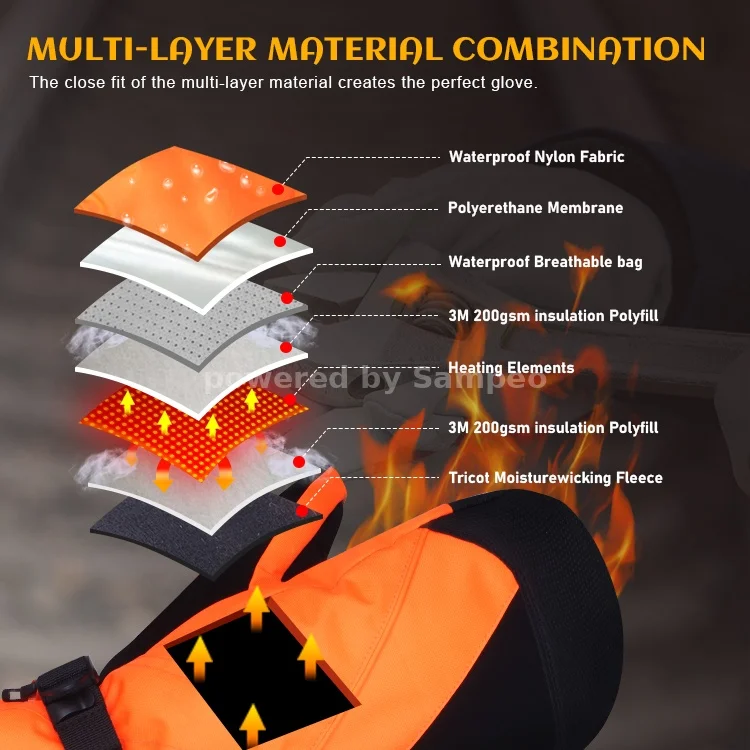
The graphene heating element is the heart of the garment. Its sheet resistance, uniformity, and adhesion to the substrate define the user experience and the warranty exposure. The 2026 engineering baseline for our battery heated apparel sample engineering with graphene element programs uses three grades.
| Element Grade | Sheet Resistance | Surface Temp @ 7.4V | Application | Wash-Cycle Limit |
|---|---|---|---|---|
| Standard (8-12 Ω/sq) | 8-12 Ω/sq | 38-45°C | General consumer heated apparel | 50 wash cycles |
| High-Output (3-5 Ω/sq) | 3-5 Ω/sq | 50-65°C | Workwear, hunting, medical | 30 wash cycles |
| Low-Output (15-25 Ω/sq) | 15-25 Ω/sq | 30-38°C | Sleepwear, base layer | 80 wash cycles |
Test method: 4-point probe measurement on a 10 cm × 10 cm element sample, recorded across 5 zones. Variance between zones must not exceed ±8% for a passing element. IR thermal imaging (FLIR T540 or equivalent) at -10°C ambient confirms surface temp uniformity under load.
The 4-point probe measurement is non-negotiable. A 2-point probe reads contact resistance, not element resistance, and will pass an element that fails at the connector under load.
4. BMS Validation: Cutoff, Short-Circuit, and Over-Discharge
The Battery Management System is the safety-critical component. A battery heated apparel sample engineering BMS spec program validates four parameters before PPS sign-off.
| BMS Parameter | Consumer App Spec | Workwear Spec | Test Method |
|---|---|---|---|
| Thermal cutoff | 60°C ± 2°C | 55°C ± 2°C | Hot-plate ramp test, 5 units |
| Short-circuit protection | < 100 µs response | < 100 µs response | Bench short test, 10 cycles |
| Over-discharge cutoff | 2.75V ± 0.05V per cell | 2.75V ± 0.05V per cell | Constant-current discharge to cutoff |
| Over-charge cutoff | 4.20V ± 0.05V per cell | 4.20V ± 0.05V per cell | CC/CV charge cycle monitor |
All four parameters are logged per unit, per test cycle, with the test report signed off by the engineering lead. A buyer who sees a single-page BMS report without per-unit logging should request the detailed log before approving PPS.
5. Wash-Cycle Test Protocol
Wash durability is the most under-validated parameter in the heated apparel industry. A battery heated apparel sample engineering manufacturer runs a 5/10/20 cycle test protocol at sample stage, not a single-cycle rinse.
| Cycle | Test Condition | Pass Criteria | Failure Mode Caught |
|---|---|---|---|
| 5 cycles | ISO 6330 4N, 30°C, mild detergent | < 5% resistance drift | Adhesion failure at seams |
| 10 cycles | ISO 6330 4N, 40°C, standard detergent | < 10% resistance drift | Connector oxidation |
| 20 cycles | ISO 6330 4N, 40°C, standard detergent | < 15% resistance drift | Element substrate delamination |
| 50 cycles (extended) | ISO 6330 4N, 60°C | < 25% resistance drift | End-of-life wear indicator |
A garment passing only the 5-cycle test is shippable for trial retail. A garment passing the 20-cycle test is shippable for full-line retail with a 1-year warranty. Below the 5-cycle threshold, the element will fail in consumer hands within 6 months.
6. Controller Ergonomics and User Interface
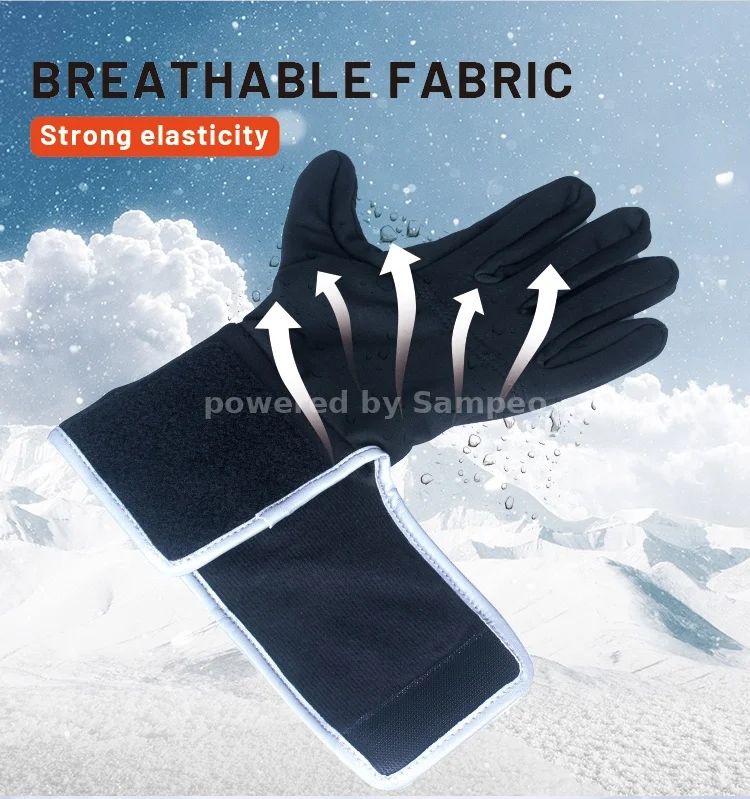
The controller is the only component the buyer touches every time they wear the garment. A battery heated apparel sample engineering OEM program runs a controller ergonomics review at the EVS and PPS stages, not at the concept stage.
| Controller Type | Cycle Test | Tactile Spec | Buyer-Side Acceptance |
|---|---|---|---|
| 3-button inline (chest) | 5,000 press cycles | 250-450g actuation force | Approved by 5+ test wearers |
| Single-button with LED ring | 5,000 press cycles | 200-400g actuation force | Approved by 5+ test wearers |
| Touch-sensitive (capacitive) | 50,000 touch cycles | n/a (no moving parts) | Approved for water exposure test |
The tactile spec matters because a controller with < 200g actuation force will register phantom presses under load; > 450g requires removal of gloves to operate. Both failure modes drive customer returns.
7. Sample Documentation Pack
Every sample program ships a documentation pack alongside the physical samples. The 2026 baseline includes ten artifacts.
| Document | Audience | Format |
|---|---|---|
| Tech-pack with measurements | Buyer design team | PDF + editable AI |
| Bill of Materials (BOM) | Buyer sourcing team | Excel |
| Heating element test report | Buyer engineering team | PDF, per-unit log |
| BMS test report | Buyer compliance team | PDF, per-unit log |
| Wash-cycle test report | Buyer QA team | PDF, with IR images |
| Controller cycle test report | Buyer product team | |
| UN 38.3 transport test summary | Buyer logistics team | PDF, certificate |
| Battery spec sheet (MSDS) | Buyer logistics + compliance | |
| Packaging specification | Buyer marketing | PDF + dieline artwork |
| Care label + user manual draft | Buyer regulatory | Editable Word |
A buyer who receives fewer than 8 of these documents at PPS stage is working with a sample program that is not engineered for retail — re-engage before approving the production run.
8. Engineering Sign-Off Checklist
The PPS sign-off is a contractual moment. A battery heated apparel sample engineering manufacturer uses a 14-line checklist that the buyer and the factory engineering lead both initial.
| # | Check | Owner |
|---|---|---|
| 1 | Heating element sheet resistance within ±8% of spec | Engineering |
| 2 | BMS thermal cutoff within ±2°C of spec | Engineering |
| 3 | Wash-cycle 5/10/20 results documented | QA |
| 4 | Controller cycle test passed | QA |
| 5 | Wiring harness flex test passed (1,000 cycles) | QA |
| 6 | UN 38.3 transport test certificate current | Compliance |
| 7 | Battery MSDS current and signed | Compliance |
| 8 | FCC/CE EMC declaration drafted | Compliance |
| 9 | Care label draft reviewed | Regulatory |
| 10 | User manual draft reviewed | Regulatory |
| 11 | Packaging dieline approved | Marketing |
| 12 | Golden Sample sealed and stored | QA |
| 13 | Production line allocated and scheduled | Production |
| 14 | PO terms (price, lead time, payment) confirmed | Sales |
A line that is not initialed is a line that must be resolved before PPS is signed. Programs that allow verbal sign-off or partial sign-off produce defect-laden production runs.
The Golden Sample is the single most valuable artifact of the entire sample program. It is the reference against which every AQL inspection is graded for the lifetime of the program. Seal it in a UV-protected bag, photograph it from 12 angles, store it in a climate-controlled vault, and never let it leave the factory.
9. Sample-to-Bulk Yield Benchmarks
A battery heated apparel sample engineering wholesale buyer’s most important question after PPS sign-off is: what yield should I expect from the production run? Our 2025-2026 program data gives these benchmarks.
| Program Type | Sample-to-Bulk Yield | Sample Pass Rate | Bulk Pass Rate (AQL 2.5) |
|---|---|---|---|
| Heated jacket, standard | 94-97% | 92% | 96% |
| Heated glove, high-output | 88-93% | 78% | 91% |
| Heated sock, low-output | 96-98% | 95% | 97% |
| Heated vest, workwear | 90-94% | 84% | 92% |
| Heated hoodie, consumer | 93-96% | 90% | 95% |
A buyer whose actual production numbers fall below these bands should request a sample-stage audit — usually the EVS or wash-cycle stages were compressed, and the production line is now revealing defects the sample stage should have caught.
10. The Engineering-to-Commercial Hand-Off
The final piece of the sample program is the hand-off from engineering to commercial. The technical documentation pack feeds the sales contract; the BOM feeds the purchase order; the Golden Sample feeds the AQL inspection plan; the test reports feed the regulatory filing. A program that treats these as separate workstreams produces a fragmented PO; a program that treats them as one continuous workflow produces a clean launch.
11. Frequently Asked Questions
How long does the full sample engineering program take?
From concept sample to FAI sign-off, our standard timeline is 37-57 days depending on buyer review cycles. Programs that compress below 30 days are skipping the Engineering Validation Sample (EVS) stage, which is the most common root cause of sample-to-bulk defect migration.
What is the cost of a full sample engineering program?
A 3-round sample program (Proto + EVS + PPS) typically runs $650-$1,400 per style depending on component complexity. Workwear and high-output programs cost more because the BMS validation and wash-cycle testing are more rigorous. The cost is refundable against a PO ≥ 500 units.
Can buyers run their own engineering validation in parallel?
Yes — and we encourage it for programs above 2,000 units. Buyers who send their own QA team to witness the EVS stage cut their sample-to-bulk defect rate by 30-40% compared to programs where the factory self-certifies.
What happens if the sample fails a parameter?
The factory presents a corrective action plan within 48 hours, re-runs the failed test, and re-submits the documentation. A second failure on the same parameter triggers a root-cause review with both engineering leads in the room. Two consecutive failures on the same parameter are grounds for terminating the sample program and refunding all fees.
Do all battery heated apparel programs require UN 38.3 testing?
Yes — UN 38.3 is a transport requirement for any lithium-ion cell, regardless of capacity. The test certificate is valid for 12 months from issue date and must be renewed annually for ongoing programs.
How is the Golden Sample stored?
In a sealed UV-protected bag, in a climate-controlled vault (18-22°C, 40-60% RH), with photographic documentation from 12 angles stored alongside. The sample is never shipped, never washed, never used for any destructive test.
Can a buyer skip the EVS stage?
Technically yes, practically no. Programs that skip EVS show 2-3x higher defect rates at AQL inspection and 40-60% longer time-to-market because the EVS-stage issues are re-discovered during production QC. The EVS stage pays for itself in every program above 500 units.
What is the difference between graphene and carbon-fiber heating elements?
Graphene elements offer 15-20% more battery runtime at equivalent surface temperature compared to carbon-fiber elements of the same resistance. Graphene also has better wash durability (50 cycles vs 30 cycles for carbon-fiber). The trade-off is unit cost — graphene elements run 20-35% higher per square meter.
How many sample programs does the factory run simultaneously?
Our standard capacity is 12-15 active programs at any time. Programs above 15 are queued. Buyers planning Q4 2026 launches should book sample slots by August 2026 to secure their place in the queue.
Can the sample program be split between two factories?
Yes, but only for very large programs above 50,000 units. Splitting below 50,000 units adds engineering coordination overhead that exceeds the capacity benefit. For programs in the 5,000-50,000 unit range, a single-factory sample program produces tighter engineering consistency.
What is the most common engineering failure at sample stage?
Wash-cycle element degradation beyond spec, followed by BMS thermal cutoff drift. Both are caught by a disciplined 5/10/20 cycle test protocol and a hot-plate BMS ramp test. Programs that skip these tests ship defective garments.
How is the engineering documentation pack delivered?
At PPS sign-off, the full documentation pack is delivered as a ZIP file with PDF reports + editable source files (Excel BOM, AI tech-pack, Word user manual). The Golden Sample photograph set is delivered as a separate high-resolution image archive.
12. Conclusion: The Sample Program Is the Product
In battery heated apparel, the sample program is not a preliminary step — it is the engineering foundation that the bulk program is built on. The five-stage flow (Concept → Functional → EVS → PPS → FAI), the graphene element spec ranges, the BMS validation protocol, the wash-cycle test matrix, the controller ergonomics review, the documentation pack, and the engineering sign-off checklist together define what a retail-ready garment actually is. A buyer who treats the sample program as a checkbox ships defective product; a buyer who treats it as the product ships a brand.
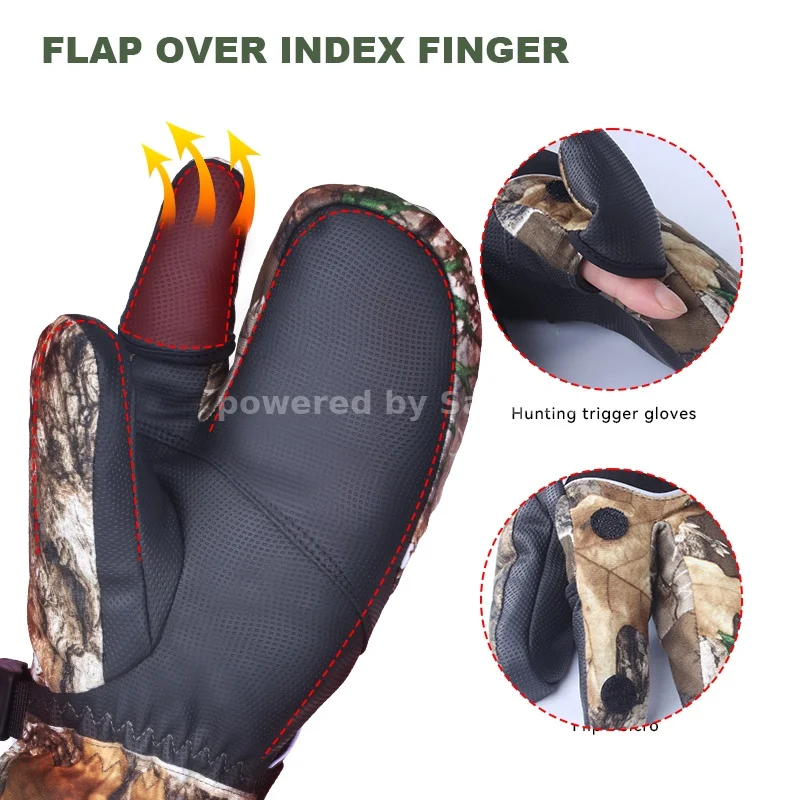
Across the battery heated apparel sample engineering for hunting apparel category in 2026, the engineering sample program covers high-output element spec (3-5 Ω/sq), extended cold-runtime validation at -20°C, glove-form-factor pattern engineering, and trigger-finger controller ergonomics. The battery heated apparel sample engineering for workwear category covers ANSI-107 high-vis trim integration, workwear-grade BMS cutoff (55°C), reinforced pocket engineering for the battery housing, and 50-cycle wash validation against industrial laundering protocols.
For OEM-ODM sample engineering partnerships, our engineering team reviews new program briefs every Monday. Submit your tech-pack through the battery heated apparel factory intake form to start a 2026 program.
13. Quick Reference Glossary
| Term | Definition |
|---|---|
| Sheet Resistance | Electrical resistance across a uniform element, measured in Ω/sq via 4-point probe |
| BMS | Battery Management System — thermal, short-circuit, over-charge, over-discharge protection |
| EVS | Engineering Validation Sample — production-spec components, bench-tested |
| PPS | Pre-Production Sample — bulk fabric, bulk trim, bulk battery lot |
| FAI | First Article Inspection — production-line sample inspected to AQL 1.0 |
| Golden Sample | Sealed reference sample used for AQL grading through program lifetime |
| UN 38.3 | UN transport test for lithium cells — required for air/ocean freight |
| IR Thermal Map | Infrared image showing surface temperature distribution under load |
| Wash-Cycle Test | 5/10/20 cycle ISO 6330 protocol measuring element resistance drift |
| 4-Point Probe | Resistivity measurement excluding contact resistance |
| Tactile Spec | Controller button actuation force, 250-450g typical |
| AQL 2.5 | Acceptance Quality Limit — statistical sampling standard ANSI/ASQ Z1.4 |
| Dieline | Flat packaging artwork template for printing |
| MSDS | Material Safety Data Sheet for lithium ba
battery heated apparel sample engineering: Quick Reference GlossaryA quick reference of the key terms used in this guide: battery heated apparel sample engineering, plus the 12 related concepts — sheet resistance, BMS cutoff, EVS sample, Golden Sample, wash-cycle test, 4-point probe, IR thermal map, controller cycle test, UN 38.3, tactile spec, AQL 2.5, and dieline artwork — that B2B buyers typically encounter when sourcing private label programs. Each term above represents a distinct buying decision: battery heated apparel sample engineering is the umbrella concept, while each related keyword describes a specific factory capability, sourcing model, or product attribute to evaluate during your vendor selection. ttery transport |
Leave a Reply