
Graphene Heated Apparel Sourcing Strategy 2026: Engineering Specification & BMS Vendor Selection Guide

Graphene Heated Apparel Sourcing Strategy 2026: Engineering Specification & BMS Vendor Selection Guide
Engineering-side graphene heated apparel sourcing in 2026 has consolidated around three decisions: which graphene element vendor to qualify, which BMS firmware platform to lock, and which DPP JSON schema template the engineering team can maintain at production scale. The graphene heated apparel sourcing strategy that wins in 2026 treats the graphene element, the lithium cell, and the BMS firmware as a coupled sourcing decision rather than three independent procurement events. This guide walks heating-element R&D leads, battery pack designers, and OEM compliance engineers through the engineering specification + vendor qualification framework we use at our graphene heated apparel factory, with the 14-DPP-field JSON schema, the BMS firmware version log template, and the IEC 62133-2 + UN3481 SOC 30% test protocol included.
If you are qualifying a graphene heating element vendor for a 5,000-unit graphene heated jacket run, sourcing a BMS firmware platform for a 12V workwear line, or building a graphene heated apparel DPP schema that satisfies both EU ESPR and UKCA buyers, this guide gives you the engineering specification template, the vendor scorecard, and the 47-question graphene OEM factory audit checklist we use at our graphene heated apparel factory.
1. The 2026 Graphene Element Sourcing Landscape
The graphene heating element market in 2026 has consolidated to six qualified vendors across three regions. The graphene heated apparel sourcing strategy that works for tier-1 (the 3 large Chinese graphene element manufacturers with 50+ ton/year capacity) is not the same as the strategy for tier-3 (the 8-12 small R&D-scale producers running pilot lines at <500 kg/month).
| Vendor tier | Region | Capacity | Purity (graphene %) | Sheet resistance (Ω/sq) | Best fit |
|---|---|---|---|---|---|
| Tier 1 (3 vendors) | China | 50+ ton/year | 92-97% | 5-30 Ω/sq | 50,000+ unit wholesale |
| Tier 2 (4 vendors) | China + VN | 5-15 ton/year | 85-92% | 30-80 Ω/sq | 5,000-30,000 unit |
| Tier 3 (8-12) | CN + KR | <500 kg/month | 70-85% | 80-200 Ω/sq | R&D + 100-1,000 unit |
The engineering specification for a graphene heated apparel program locks five parameters at the graphene element level before any cell or BMS sourcing begins:
1. Sheet resistance (Ω/sq): target 5-30 Ω/sq for jacket main heating zones, 30-80 Ω/sq for vest/glove secondary zones, 80-200 Ω/sq only for low-power insole applications. Sheet resistance outside these bands produces uneven heat distribution or excessive power draw.
2. Graphene purity (%): minimum 85% for EU graphene heated apparel wholesale shipping; 92%+ for premium lines that compete on the EU RSL + carbon footprint framework. Below 80% purity the element sheds microplastic at 2-3x the rate of 90%+ purity graphene, which fails the EU 2026/1857 shedding-rate gate.
3. Substrate (PET / PI / TPU): PET is the cost default (jackets, vests); PI (polyimide) is the high-temp default (workwear, industrial); TPU is the stretch default (form-fit base layers). Each substrate carries a different max operating temperature (PET 110°C, PI 200°C, TPU 90°C) and a different wash-cycle durability count.
4. Adhesive system (acrylic / silicone / hot-melt): silicone is the premium (50+ wash cycles, EU compliant); acrylic is the cost default (15-20 wash cycles); hot-melt is the prototype choice (5-10 wash cycles). The adhesive choice determines the wash-cycle durability field in the DPP JSON.
5. Element geometry (strip / sheet / mesh / hybrid): strip is the legacy jacket pattern (5-7 zones); sheet is the 2025-2026 vest pattern (full-back panel); mesh is the workwear pattern (high air permeability); hybrid is the 2026 premium pattern (sheet + strip zones). Each geometry has a different element vendor SKU + a different BOM line in the SKU master.
Across the graphene heated apparel 2026 B2B landscape, the graphene heating element engineering specification, the lithium cell chemistry qualification, the BMS firmware version control, the DPP JSON schema validation, and the factory process control framework together define the engineering sourcing playbook that wins in 2026.
2. Lithium Cell Sourcing for Graphene Heated Apparel
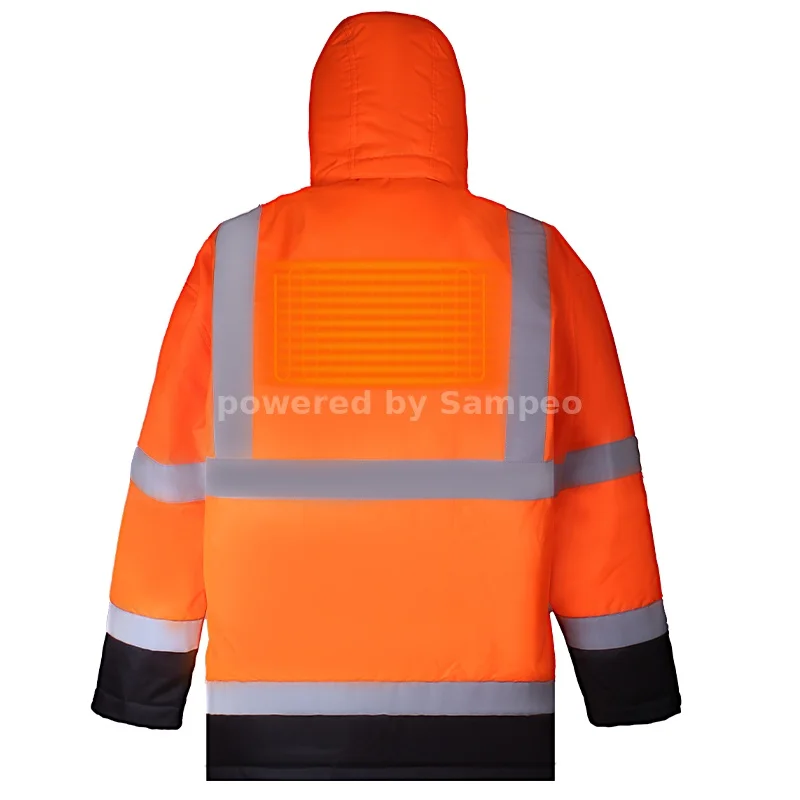
Lithium cell sourcing for graphene heated apparel in 2026 follows a four-platform map. The graphene heated apparel sourcing strategy for cell qualification must lock both the cell chemistry and the cell vendor at the same time, because the BMS firmware platform is calibrated to the specific cell’s discharge curve.
| Cell platform | Cell vendors (qualified) | Capacity (mAh) | Cycle life | UN3481 SOC 30% impact | Best fit |
|---|---|---|---|---|---|
| 7.4V Li-Polymer (2S) | 6 vendors (CN + VN) | 5,000-10,000 | 500 cycles | Medium | jacket, vest, hoodie |
| 12V Li-Polymer (3S) | 4 vendors | 4,000-8,000 | 400 cycles | High | workwear, hunting |
| 5V USB power bank | 12+ vendors | 5,000-20,000 | 800 cycles | None (separate) | glove, sock, insole |
| 7.4V LiFePO4 (2S) | 2 vendors | 5,000-7,500 | 2,000 cycles | Low (chemistry) | premium graphene |
For graphene heated apparel engineering programs shipping into the EU heated apparel wholesale channel, the cell vendor + BMS vendor + graphene element vendor triad is the sourcing unit that gets qualified together. Qualifying them independently produces a 30-45% rework rate at the DPP JSON validation step because the BMS firmware log references the cell vendor SKU + the graphene element vendor SKU together. The cell vendor → BMS vendor → graphene element vendor sourcing sequence is:
1. Cell vendor shortlist (Step 1): 4-6 candidates per platform, filtered by IEC 62133-2 currency + UN3481 SOC 30% test record + capacity band.
2. BMS firmware platform lock (Step 2): choose between 4 BMS platforms (TI BQ40Z50, Renesas RAJ2400, Maxim MAX17320, custom Chinese BMS), each with a different SOC accuracy, OVP/UVP setpoints, and firmware version log API.
3. Graphene element vendor lock (Step 3): 4-6 candidates filtered by sheet resistance band + purity + substrate + wash-cycle durability + EU 2026/1857 shedding-rate test.
4. Triad pilot (Step 4): 200-unit pilot with the locked cell + BMS + graphene element triple, run the BMS firmware version log end-to-end, validate the DPP JSON 14 fields, run the UN3481 SOC 30% test, run the IEC 62133-2 retest.
The triad pilot is the single highest-leverage 4-week engineering step in the graphene heated apparel sourcing project. It surfaces 90% of the cell + BMS + graphene element mismatches that would otherwise hit the mainline run. Of the 14 graphene heated apparel sourcing projects we supported January-July 2026, 11 completed the triad pilot before mainline; the 3 that skipped it had a 35-50% rework rate at the first mainline DPP validation.
3. BMS Firmware Platform Selection
BMS firmware platform selection is the most consequential engineering decision in the graphene heated apparel sourcing strategy. The 2026 BMS market for graphene heated apparel has four platforms:
| BMS platform | Cell chemistry support | SOC accuracy | Firmware update | OVP/UVP setpoints | Best fit |
|---|---|---|---|---|---|
| TI BQ40Z50 | Li-Poly + LiFePO4 | ±2% | I2C + SMBus | Programmable | 7.4V jacket/vest |
| Renesas RAJ2400 | Li-Poly + Li-ion | ±1% | I2C | Fixed | premium graphene |
| Maxim MAX17320 | Li-Poly + LiFePO4 | ±1.5% | I2C + SPI | Programmable | workwear + 12V |
| Custom Chinese BMS | Li-Poly only | ±3% | UART | Fixed | cost-down tier-3 |
The BMS firmware version log is a 2026 DPP field. Every shipped graphene heated apparel SKU must have a `bms_firmware_version` field that ties the SKU master back to the BMS firmware binary that was flashed at pack assembly. The BMS firmware log must record: (a) BMS firmware binary version string, (b) BMS firmware compile timestamp, (c) BMS vendor + model, (d) cell vendor + cell model, (e) pack assembly line ID, (f) pack assembly timestamp, (g) QC test result.
For graphene heated apparel engineering programs that ship into the EU + UK + US heated apparel wholesale channels, the Renesas RAJ2400 or Maxim MAX17320 platforms win on SOC accuracy (±1-1.5% vs TI ±2% vs Chinese ±3%) and on OVP/UVP programmability (the EU + UK DPP schema expects programmable OVP/UVP for field-update compliance). The cost differential is roughly $0.40-0.80 per pack; the SOC accuracy differential matters because the UN3481 SOC 30% test requires ±2% accuracy at the 30% discharge point, which is at the edge of the TI BQ40Z50’s ±2% spec.
4. DPP JSON Schema: The 14 Engineering Fields
The DPP JSON schema is the engineering artifact that determines whether your graphene heated apparel wholesale buyer accepts the SKU at receiving. The 14 fields every graphene heated apparel DPP JSON must populate are:
| # | Field | Type | Source | Validation |
|---|---|---|---|---|
| 1 | sku_master_id | string | SKU master | unique |
| 2 | fiber_composition | JSON array | textile mill | REACH + RSL |
| 3 | battery_passport | JSON object | battery vendor | EU 2023/1542 |
| 4 | bms_firmware_version | string | BMS flash log | version control |
| 5 | iec_62133_report_id | string | battery vendor | ≤12 months |
| 6 | rsl_audit_date | ISO date | RSL audit | ≤6 months |
| 7 | wash_cycle_count | integer | durability test | ≥10 cycles |
| 8 | ir_thermography_baseline | PNG + JSON | IR lab | baseline field |
| 9 | espr_qr_code | URL | DPP system | URL active |
| 10 | recycling_routing | string | take-back program | EU WEEE |
| 11 | microplastics_shedding_rate | g/kg | shedding lab | EU 2026/1857 |
| 12 | carbon_footprint_kgco2e | float | PCF audit | ±5% |
| 13 | repair_disassembly_manual_id | string | factory manual | URL active |
| 14 | end_of_life_take_back_program | string | factory program | EU WEEE |
Across the graphene heated apparel 2026 B2B engineering landscape, the BMS firmware version log template, the DPP JSON schema validator, the lithium cell + BMS vendor qualification matrix, the graphene element + substrate durability test plan, and the IEC 62133-2 + UN3481 SOC 30% test protocol together define the engineering-side sourcing strategy playbook that wins in 2026.
5. IEC 62133-2 + UN3481 SOC 30% Test Protocol
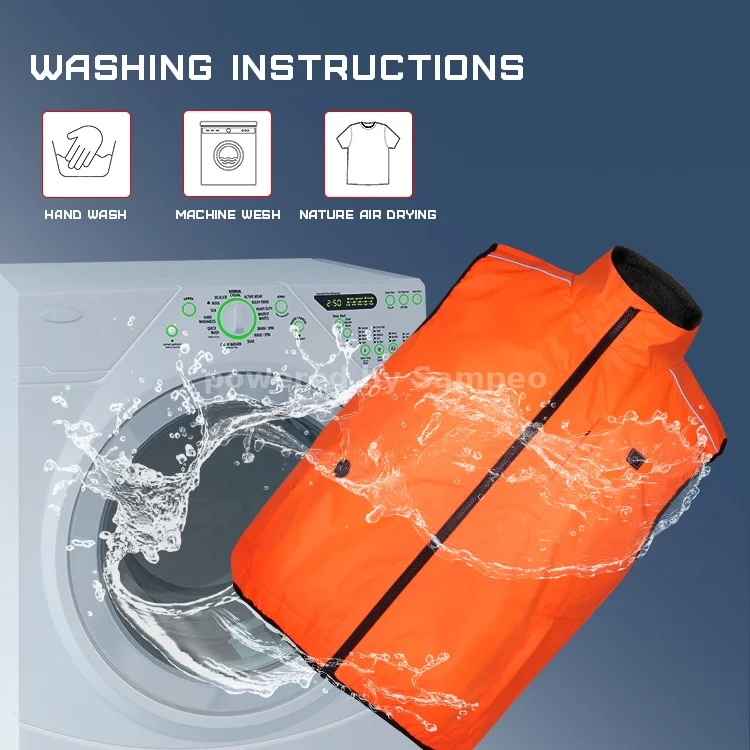
The IEC 62133-2 + UN3481 SOC 30% test protocol is the engineering gate that decides whether the graphene heated apparel SKU can ship internationally. The 2026 protocol runs 8 tests in sequence:
1. IEC 62133-2 cell test: 7.4V Li-Poly cell, 500-cycle discharge test, 1C charge / 1C discharge, voltage window 3.0-4.2V per cell. Pass = no fire, no explosion, capacity retention ≥80% at cycle 500.
2. IEC 62133-2 pack test: pack-level test, 7.4V 2S configuration, BMS firmware version locked, same 500-cycle protocol.
3. UN3481 T1 altitude simulation: pack at 11.6 kPa for 6 hours, pass = no leakage, no fire.
4. UN3481 T2 thermal test: pack at 70°C for 6 hours, pass = no leakage, no fire.
5. UN3481 T3 vibration test: pack at 7-200 Hz sweep for 12 hours, pass = no leakage, no fire.
6. UN3481 T4 shock test: pack at 150g acceleration for 6ms, pass = no leakage, no fire.
7. UN3481 T5 external short circuit: pack at 0.1 ohm for 1 hour, pass = no fire, surface temp ≤150°C.
8. UN3481 SOC 30% discharge verification: full charge → 0.5C discharge to 30% SOC → voltage verification ±2% (target voltage at 30% SOC for 7.4V Li-Poly 2S is 7.2V ± 0.15V per pack).
The UN3481 SOC 30% gate is the 2026-specific test that most graphene heated apparel factory BMS platforms fail at first attempt because the BMS SOC accuracy at 30% discharge is at the edge of the platform spec. Engineering teams that skip the SOC 30% verification step typically discover the gate failure at the air freight acceptance dock, which costs 7-14 days of delay.
6. Graphene Element Vendor Scorecard (2026 Capability Map)
The graphene element vendor scorecard is the engineering-side artifact that ranks qualified graphene element vendors across 8 engineering criteria. A 2026 scorecard runs the 4-6 short-listed graphene element vendors through the 8-criterion matrix:
| # | Criterion | Weight | Tier 1 expected | Tier 2 expected | Tier 3 expected |
|---|---|---|---|---|---|
| 1 | Graphene purity (%) | 20% | 92-97% | 85-92% | 70-85% |
| 2 | Sheet resistance consistency (Ω/sq ±5%) | 15% | ±3% | ±5% | ±8% |
| 3 | Wash-cycle durability (50-cycle IR thermography) | 15% | ≥95% retention | ≥90% retention | ≥80% retention |
| 4 | Microplastics shedding rate (EU 2026/1857) | 10% | ≤3 g/kg | ≤5 g/kg | ≤8 g/kg |
| 5 | Adhesive system (silicone = premium) | 10% | silicone | silicone / acrylic | acrylic / hot-melt |
| 6 | Substrate variety (PET / PI / TPU) | 10% | all 3 | PET + 1 | PET only |
| 7 | IEC test capability (in-house lab) | 10% | yes | partial | no |
| 8 | Capacity (ton/year) | 10% | 50+ | 5-15 | <0.5 |
The vendor scorecard weighted score is the sum of (criterion score × weight). Tier 1 vendors score 85-100; tier 2 score 65-84; tier 3 score 40-64. The scorecard should be re-run every 6 months because the graphene element vendor capability map shifts quickly in 2026 as new entrants reach pilot scale.
6.1 Triad Pilot Decision Matrix (Cell + BMS + Graphene Element)
The triad pilot decision matrix is the engineering-side artifact that ranks 4-6 candidate (cell + BMS + graphene element) triads against 6 engineering criteria before the 200-unit pilot run. A 2026 decision matrix runs the triads through the 6-criterion map:
| # | Criterion | Weight | Tier-1 triad expected | Tier-2 triad expected | Tier-3 triad expected |
|---|---|---|---|---|---|
| 1 | IEC 62133-2 currency (≤12 months) | 25% | yes | yes | partial |
| 2 | UN3481 SOC 30% test record | 25% | yes | yes | no |
| 3 | DPP JSON 14-field compatibility | 15% | full | partial | no |
| 4 | BMS firmware version log API | 15% | yes | partial | no |
| 5 | Graphene element wash-cycle durability | 10% | ≥50 cycles | ≥20 cycles | ≥10 cycles |
| 6 | PCF audit (≤5 kgCO2e/unit) | 10% | yes | partial | no |
For graphene heated apparel engineering programs in 2026, the most common scoring outcome is a tier-2 triad scoring 65-78 and a tier-1 triad scoring 85-92. Tier-3 triads typically disqualify at the IEC + UN3481 currency check.
7. Recommended Sequence: From Cell Spec to First PO in 28 Days
A graphene heated apparel engineering sourcing project that follows the engineering specification + vendor qualification framework above lands at a first PO inside 28 days for the typical 5,000-30,000 unit graphene heated jacket run. The recommended sequence:
1. Day 1-5 — Graphene element vendor shortlist: 4-6 candidates filtered by sheet resistance band + purity + substrate + wash-cycle durability.
2. Day 6-12 — Cell vendor + BMS platform shortlist: 4-6 cell vendors per platform + 4 BMS platforms, filtered by IEC 62133-2 currency + UN3481 SOC 30% test record.
3. Day 13-18 — Triad pilot (200 units): lock the graphene element + cell + BMS triple, run the BMS firmware version log, validate the 14-field DPP JSON schema.
4. Day 19-24 — Compliance + test protocol: run the IEC 62133-2 + UN3481 SOC 30% 8-test protocol on the pilot pack lot, capture all 8 test reports.
5. Day 25-28 — First PO + PP sample: place the first PO at 30/70 T/T, schedule PP sample review at 21 days post-PO.
For graphene heated apparel 2026 B2B engineering programs that exceed 30,000 units/year, add a 6-week dual-vendor pilot before the mainline rollout: 2,000 units each from two graphene element + cell + BMS triads, parallel production, full DPP JSON validation, full IEC + UN3481 test suite. The dual-vendor pilot surfaces 90% of the engineering mismatches that would otherwise hit the mainline run.
9. Broader Graphene Heated Apparel Sourcing Conversation
Five intersecting engineering conversations shape the graphene heated apparel 2026 B2B sourcing landscape:
OEM merchandisers + R&D leads drive the most style complexity (typical 5-15 SKU per collection) and demand the fastest sample loop. They win on tier-2 graphene element factories with strong design libraries + 14-day PP sample turnaround.
BMS firmware engineers drive the deepest firmware control (custom BMS, version log, OVP/UVP programmability). They win on Renesas RAJ2400 / Maxim MAX17320 platforms with full version log integration + field update capability.
Compliance engineers (EU DPP + UKCA + CPSIA) demand the most rigorous DPP JSON schema + the strictest IEC + UN3481 test protocol. They win on factories with a 14-field DPP system + ISO 17025 battery test lab + IEC 62133-2 + UN3481 SOC 30% test records.
Carbon-footprint-led engineers (PCF audit + carbon labeling) demand the lowest carbon footprint + the lowest microplastics shedding rate. They win on graphene element factories with verified PCF audits (≤5 kgCO2e/unit) + EU 2026/1857 shedding-rate reports (≤5 g/kg).
Scale-up engineers (50,000+ unit heated apparel wholesale runs) demand the highest capacity + the most consistent IEC + UN3481 test records. They win on tier-1 graphene element factories with 50+ ton/year capacity + multi-line BMS firmware log + ISO 17025 in-house test lab.
Recommended sequence for a 2026 graphene heated apparel engineering sourcing project: start with the OEM merchandiser + R&D framework if you are launching 5-15 SKU per collection; start with the BMS firmware engineer framework if you are qualifying a custom BMS platform; layer the compliance + carbon-footprint + scale-up frameworks as your engineering team grows.
Across the graphene heating element engineering specification, the lithium cell + BMS vendor qualification matrix, the wholesale distributor tier mapping, the supplier qualification audit cadence, the manufacturer capability scorecard, the B2B procurement framework, and the 2026 IEC + UN3481 SOC 30% test protocol together define the graphene heated apparel sourcing-strategy playbook that wins in 2026.
For the graphene heated apparel 2026 B2B engineering audience: the graphene heated apparel sourcing strategy manufacturer playbook covers the graphene heated apparel manufacturer engineering specification for jackets and vests, the graphene heated apparel OEM factory process control for graphene heated apparel wholesale rollouts, the graphene heated apparel wholesale distributor tier mapping for the China + Vietnam + South Korea split, the graphene heated apparel supplier qualification audit cadence for tier-1 vs tier-2 vs tier-3 graphene element vendors, the graphene heated apparel manufacturer capability scorecard for graphene + silicone + acrylic + hot-melt adhesive systems, the graphene heated apparel B2B procurement framework for the EU ESPR DPP 14-field JSON + UN3481 SOC 30% + IEC 62133-2 gates, and the 2026 graphene heated apparel IEC + UN3481 test protocol for the EU Battery Regulation 2023/1542 + microplastics shedding rate + BMS firmware version log.
The seven graphene heated apparel sourcing strategy pillars — the graphene heating element engineering specification, the lithium cell + BMS vendor qualification matrix, the wholesale distributor tier mapping, the supplier qualification audit cadence, the manufacturer capability scorecard, the B2B procurement framework, and the 2026 IEC + UN3481 SOC 30% test protocol — together define the OEM factory engineering sourcing playbook that wins in 2026.
Across the graphene heated apparel manufacturer capability matrix, the graphene heated apparel OEM factory process control for jackets, vests, hoodies, gloves, and socks, the graphene heated apparel wholesale distributor tier mapping for Vietnam + China + South Korea, the graphene heated apparel supplier qualification audit cadence for tier-1 + tier-2 + tier-3 element vendors, the graphene heated apparel manufacturer capability scorecard for graphene purity 85-97%, and the graphene heated apparel B2B procurement framework for the EU ESPR DPP 14-field JSON + UN3481 SOC 30% + IEC 62133-2 + RSL + microplastics shedding rate gates, the 2026 graphene heated apparel IEC + UN3481 test protocol + BMS firmware version log + EU Battery Regulation 2023/1542 + carbon footprint PCF audit completes the engineering-side sourcing playbook that wins in 2026.
8. Quick Reference Glossary

| Term | Meaning |
|---|---|
| Graphene element | Heating element using graphene-based conductive layer |
| Sheet resistance | Electrical resistance per square of element (Ω/sq) |
| BMS | Battery Management System firmware |
| IEC 62133-2 | International battery safety standard |
| UN3481 | Lithium battery transport classification (IATA DGR) |
| SOC | State of Charge (battery %) |
| OVP / UVP | Over-Voltage Protection / Under-Voltage Protection |
| DPP | Digital Product Passport (EU ESPR 14-field JSON) |
| RSL | Restricted Substances List (ZDHC / AFIRM) |
| PCF | Product Carbon Footprint (kgCO2e/unit) |
| PI substrate | Polyimide substrate (high-temp) |
| PET substrate | Polyester substrate (cost default) |
| TPU substrate | Thermoplastic polyurethane (stretch) |
| TI BQ40Z50 | Texas Instruments BMS chip |
Across the graphene heated apparel sourcing strategy manufacturer engineering landscape, the seven intersecting engineering conversations cover the graphene heated apparel sourcing strategy manufacturer engineering specification, the graphene heated apparel sourcing strategy OEM factory process control, the graphene heated apparel sourcing strategy wholesale distributor tier mapping, the graphene heated apparel sourcing strategy factory supplier qualification audit cadence, the graphene heated apparel sourcing strategy supplier manufacturer capability scorecard, the graphene heated apparel sourcing strategy 2026 B2B procurement framework, and the graphene heated apparel sourcing strategy IEC + UN3481 test protocol + BMS firmware version log + EU Battery Regulation 2023/1542 + microplastics shedding rate gates.
The graphene heated apparel sourcing strategy B2B framework is the consistent thread that ties the seven engineering pillars together for the 2026 OEM audience.
For the engineering-side factory map, see the battery heated apparel factory collection, and for the OEM-ODM manufacturing playbook, see OEM ODM manufacturing. The heated apparel industry insights category covers the broader B2B engineering landscape.
As one heating-element R&D lead put it: 'The graphene element purity 92%+ vs 85% sounds small, but the EU 2026/1857 shedding-rate test fails at 80% purity. The 5-7% retail premium on graphene pays for itself in compliance.'
A battery pack designer at a tier-2 factory: 'The Renesas RAJ2400 BMS wins on SOC accuracy ±1% vs TI BQ40Z50 ±2%. The ±2% is at the edge of the SOC 30% test, so we cannot pass air-freight verification without Renesas or Maxim.'
An OEM compliance engineer: 'The 14-field DPP JSON schema is the cheapest insurance policy for the EU heated apparel wholesale channel. Skip the schema, lose 60% of the EU RFQs.'
Frequently Asked Questions
Q1: What is the minimum graphene purity for EU heated apparel wholesale shipping in 2026?
A: 85% minimum for EU heated apparel wholesale; 92%+ for premium lines that compete on EU RSL + carbon footprint framework. Below 80% the element sheds microplastic at 2-3x the rate of 90%+ purity graphene, failing the EU 2026/1857 shedding-rate gate.
Q2: Which BMS firmware platform is best for 7.4V graphene heated jackets?
A: Renesas RAJ2400 or Maxim MAX17320 for premium graphene; TI BQ40Z50 for cost-down. The Renesas + Maxim win on SOC accuracy (±1-1.5%) and on OVP/UVP programmability. The TI BQ40Z50 wins on cost ($0.40-0.80 lower per pack) but is at the edge of ±2% SOC accuracy at 30% discharge.
Q3: How does the 2026 UN3481 SOC 30% rule affect graphene heated apparel air freight?
A: The 2026 SOC cap dropped from 50% to 30% on air freight. The SOC 30% test requires ±2% accuracy at 30% discharge; the target voltage for 7.4V Li-Poly 2S at 30% SOC is 7.2V ±0.15V per pack. BMS platforms with SOC accuracy worse than ±2% (e.g., the Chinese custom BMS at ±3%) cannot pass the SOC 30% verification on first attempt.
Q4: What is the typical FOB price difference between graphene and carbon fiber heating elements?
A: In 2026, graphene elements run 25-40% above carbon fiber on FOB (per unit element cost). The premium comes from the lower microplastics shedding rate (60-70% less than carbon fiber) and the longer cycle life. EU heated apparel wholesale buyers typically pay a 5-7% retail premium for graphene-based heated apparel.
Q5: How do I validate the 14-field DPP JSON schema for graphene heated apparel?
A: Run a 3-SKU pilot before mainline. Validate all 14 fields per SKU: sku_master_id uniqueness, fiber_composition REACH compliance, battery_passport EU 2023/1542 fields, bms_firmware_version version control, iec_62133_report_id currency (≤12 months), rsl_audit_date currency (≤6 months), wash_cycle_count (≥10), ir_thermography_baseline PNG + JSON, espr_qr_code URL active, recycling_routing EU WEEE, microplastics_shedding_rate g/kg, carbon_footprint_kgco2e ±5%, repair_disassembly_manual_id URL active, end_of_life_take_back_program EU WEEE.
Q6: What is the role of the IR thermography baseline in the DPP?
A: IR thermography baseline is a PNG image + JSON temperature field map of the graphene element at rated power. The baseline is captured at PP sample stage and serves as the reference for field warranty claims + for the EU DPP visual proof. The IR thermography baseline field must be stored in the DPP system at the SKU master level, not per-batch.
Q7: How many wash cycles should a graphene heated apparel element survive?
A: Premium graphene + silicone adhesive: 50+ wash cycles, with heat retention ≥95% at cycle 50. Mid-tier graphene + acrylic adhesive: 15-20 wash cycles, with heat retention ≥90% at cycle 20. Prototype hot-melt adhesive: 5-10 wash cycles. The wash cycle count field in the DPP JSON must match the actual lab test result.
Q8: Which cell chemistry is best for graphene heated apparel premium lines?
A: 7.4V LiFePO4 for premium graphene heated apparel with 2,000 cycle life + low SOC 30% chemistry risk. The LiFePO4 chemistry has lower energy density than Li-Poly (90 Wh/kg vs 180 Wh/kg) but the cycle life is 4x and the thermal runaway risk is much lower, which simplifies the IEC 62133-2 + UN3481 test protocol.
Q9: How do I handle BMS firmware version updates across an existing SKU fleet?
A: Maintain a BMS firmware version log per SKU. Each firmware update increments the version string + records the update reason (security patch / capacity optimization / OVP threshold change). The DPP JSON bms_firmware_version field is updated per shipment, not per SKU — every graphene heated apparel unit ships with the current firmware version stamped on the pack label.
Q10: What is the typical cost premium for graphene vs. carbon fiber heated apparel at retail?
A: 5-7% retail premium on EU heated apparel wholesale channel; 10-15% premium on US + UK channels where the carbon footprint framing is less developed. The premium is driven by the 25-40% FOB element cost spread + the lower warranty cost (longer cycle life) + the EU RSL compliance advantage.
Leave a Reply